








Pipe Lining Myth Busting:
Myth #5: Epoxy Lining Has a Good Warranty
Condominium boards and apartment owner/operators who are looking into epoxy pipe lining for aging domestic water piping systems may assume that a good warranty is a given. It seems table stakes: if I’m getting this kind of service, it’ll probably be guaranteed for years to come. Right?
The reality is that pipe lining warranties are often limited, filled with exclusions, and difficult to enforce. In this post, we’ll discuss why this is the case, and what communities should keep in mind before they move forward with a pipe lining project.
This is part of a series exploring the common myths around epoxy pipe lining for domestic water piping systems. Learn more about this series by checking out our intro post, Epoxy Pipe Lining for Domestic Pipes: Busting the Myths. You can also read the other posts in the series, where we cover: why pipe lining isn’t always less expensive than pipe replacement, why epoxy pipe lining isn’t always safe, why epoxy lining can be more invasive than repiping, and why epoxy lining can be complicated to install.
Don’t Be Fooled into False Security by Pipe Lining Samples
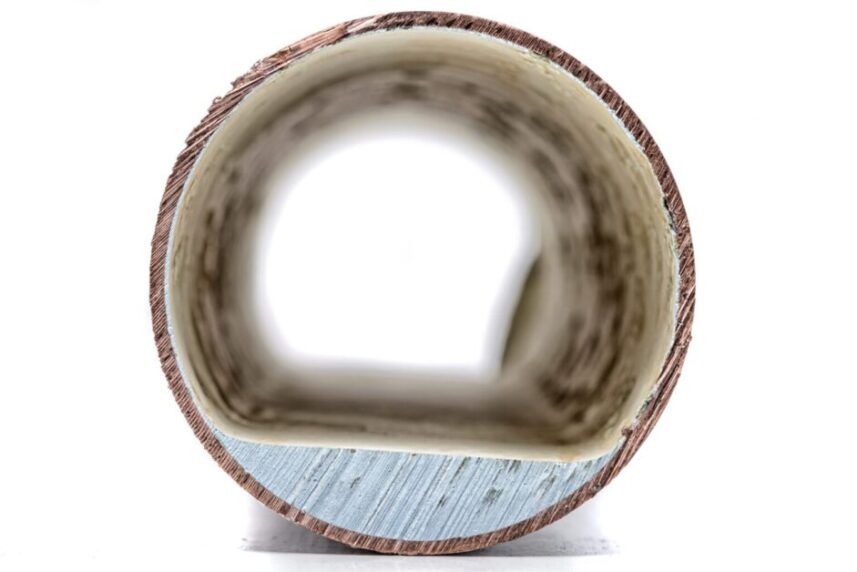
The big problem with pipe lining warranties can be boiled down to one central truth: lining in the field is simply not the same as pipe lining samples produced in a lab or factory. The epoxy lining samples you’re shown during the sales process are always produced under pristine conditions, which can inspire a false sense of security about what your old pipes will look like after a lining project is completed.
The lining installed in your piping systems may look very different. Several factors can end up affecting your results, including how well your service provider can clean the pipes prior to lining, the temperature and humidity on the day of installation, the complexity of the pipe runs hidden behind your walls, and the skill and experience (or lack thereof) of the installer.
The Hard Truths About Pipe Lining Warranties
Throughout this myth busting series, we’ve encouraged that if you’re interested in epoxy pipe lining as a means to remedy your failing domestic water system, read contractor proposals carefully and compare them with a proven alternative solution like pipe replacement. Comparing warranty terms is critical to making the right decision for your community.
For example, while both manufacturer and installer warranties are common for pipe replacement projects, things aren’t always so straightforward in the pipe lining world.
To best understand the warranties on your pipe lining project, consider what is offered by both the manufacturer and your installation contractor.
Manufacturer Warranty. For some epoxy manufacturers, the warranty on their product is practically nonexistent. If the lining has a defect, the manufacturer will ship some epoxy compound for the repair, but they won’t cover the labor, which places all the liability on the installation contractor.
In addition to only covering the materials, the manufacturer warranties are often further limited based on water temperature. This means the manufacturer will void them if the hot water system surpasses a certain heat (140 degrees Fahrenheit, in many cases). Lastly, if your installation is performed by an uncertified technician, this could end up voiding your warranty, too.
Installation Contractor Warranty. In addition to the manufacturer’s warranty, pay close attention to the fine print in your pipe lining contractor’s agreement. How long do they guarantee their workmanship? Will they match the manufacturer’s warranty if the installation turns out to be faulty and they need to re-perform some of the work?
Finally, make sure it’s clear whether any repairs covered under warranty will be completed by a technician who is certified on the installed lining product. In some markets, locating a certified technician to perform a repair under warranty can be a challenge, especially if local ordinances require the repair to be done by a licensed plumber. Most local service plumbers and maintenance personnel are not trained to work with lined pipes. (Of course, finding a certified technician can be a hassle beyond the warranty period, too, when you need any type of maintenance on your lined pipes.)
One last, critical consideration. Ask, “Who’s Checking the Work?” Epoxy pipe lining installations typically aren’t inspected by a government or third-party agency (unlike repipes), which creates another warranty risk factor.
Answering these questions can make a big difference to your bottom line if something goes wrong.
How Long Does Epoxy Really Last?
This warranty discussion may have you wondering: how long will my epoxy pipe lining actually last? Some manufacturers claim life expectancy of up to 50 years, but the industry is simply too new to substantiate these claims with actual on-the-ground evidence. Pipe lining isn’t like pipe replacement, where we have decades and decades—in some case centuries—of data about the durability of different piping materials and methods. (And again, durability in the field is different from lab conditions!)
Given the unknowns about how long pipe lining will last and access to qualified technicians who can remedy manufacturer or installation issues, an airtight warranty would be helpful in ensuring that epoxy pipe lining is a good investment. Unfortunately, this type of guarantee simply isn’t on offer from many epoxy manufacturers and installers.
*
Struggling with problem pipes? Get a free consultation with SageWater to learn how to handle aged or defective pipes in your apartment or condominium community—and about the advantages of pipe replacement compared with pipe lining.