





How aging plumbing and mechanical infrastructure can become your most valuable capital improvement
Older buildings are feeling the pressure. Apartment owners are watching market-rate rents and occupancy erode as newer properties compete to pull residents away. Condo boards are seeing unit values soften and days on market stretch as buyer expectations rise. Falling behind isn’t an option.
The instinctive response in both cases is usually to invest in improvements that people can see. Fresh finishes, updated common areas, modern unit interiors. Maybe a pickleball court.
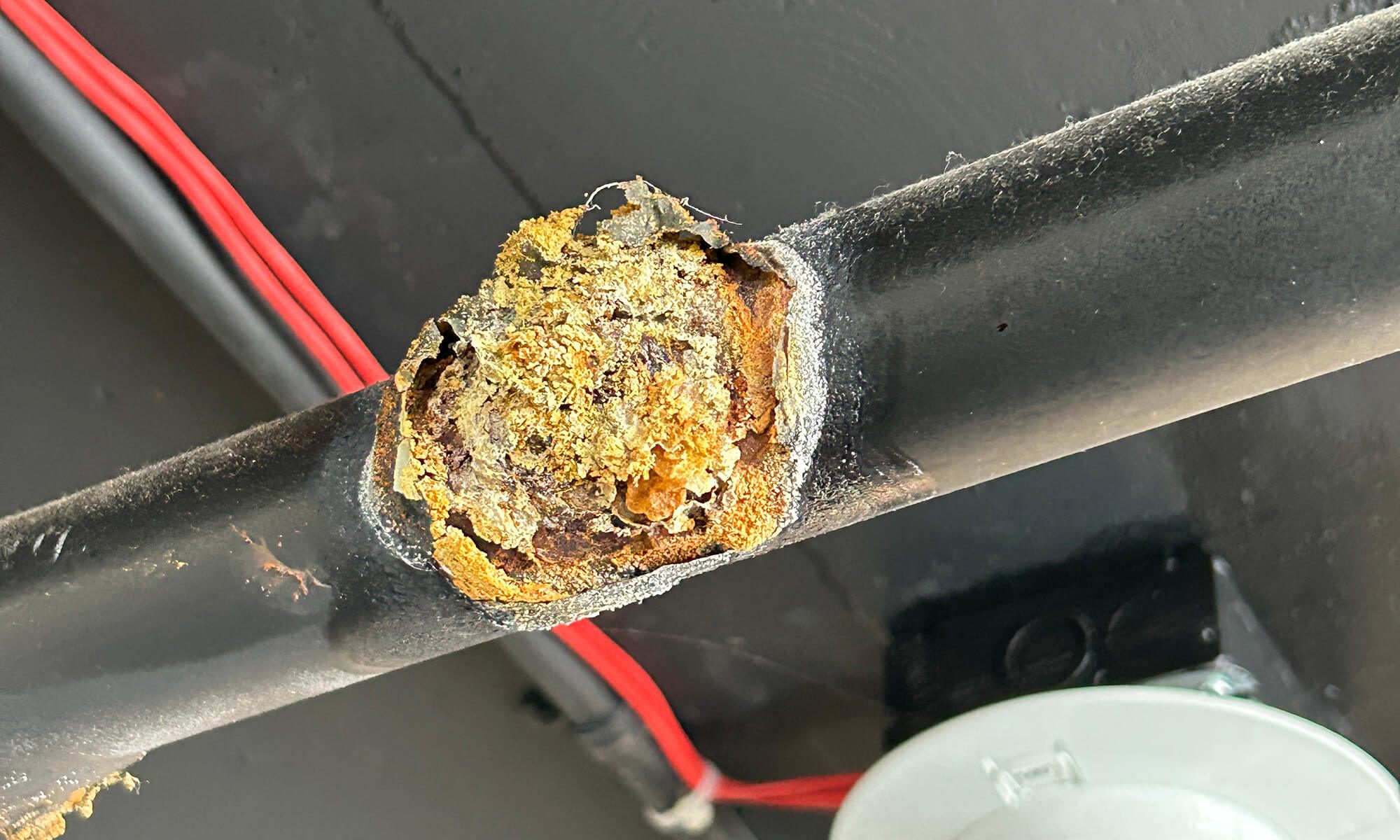
Those improvements matter, but leading with them carries real risk. If the HVAC is unreliable, hot water is inconsistent, or residents have to go downstairs to do laundry, cosmetic finishes won’t move the needle—and you may have to tear through that new work later when failing or out-of-date infrastructure behind the walls finally force the issue.
Aging plumbing and mechanical systems don’t have to be a burden. With the right approach and the right consultative partner, they can become a genuine opportunity that improves daily life for residents and delivers real returns for owners and condo communities.
Here are three infrastructure upgrades worth putting at the top of your capital improvement plan:
- HVAC Conversion: Give Residents Control of Their Thermostat
Older heating and cooling systems are one of the most common sources of frustration in aging multifamily and condo buildings. Many were designed decades ago as building-wide systems, meaning when the building switches from heating season to cooling season (and vice versa), everyone switches over at the same time. Maintenance requests and temperature complaints tend to pile up around that time, and operators spend money keeping old equipment running instead of investing in something better.
Upgrading your HVAC system changes that dynamic significantly. Look no further than The Horizons in Arlington, Virginia, a 229-unit community built in 1966. With its hydronic HVAC infrastructure failing, the owner converted to a new HVAC system that gave every resident four-season in-unit climate control, all while residents stayed in their homes. - In-Unit Laundry Retrofit: A Premium Amenity in High Demand
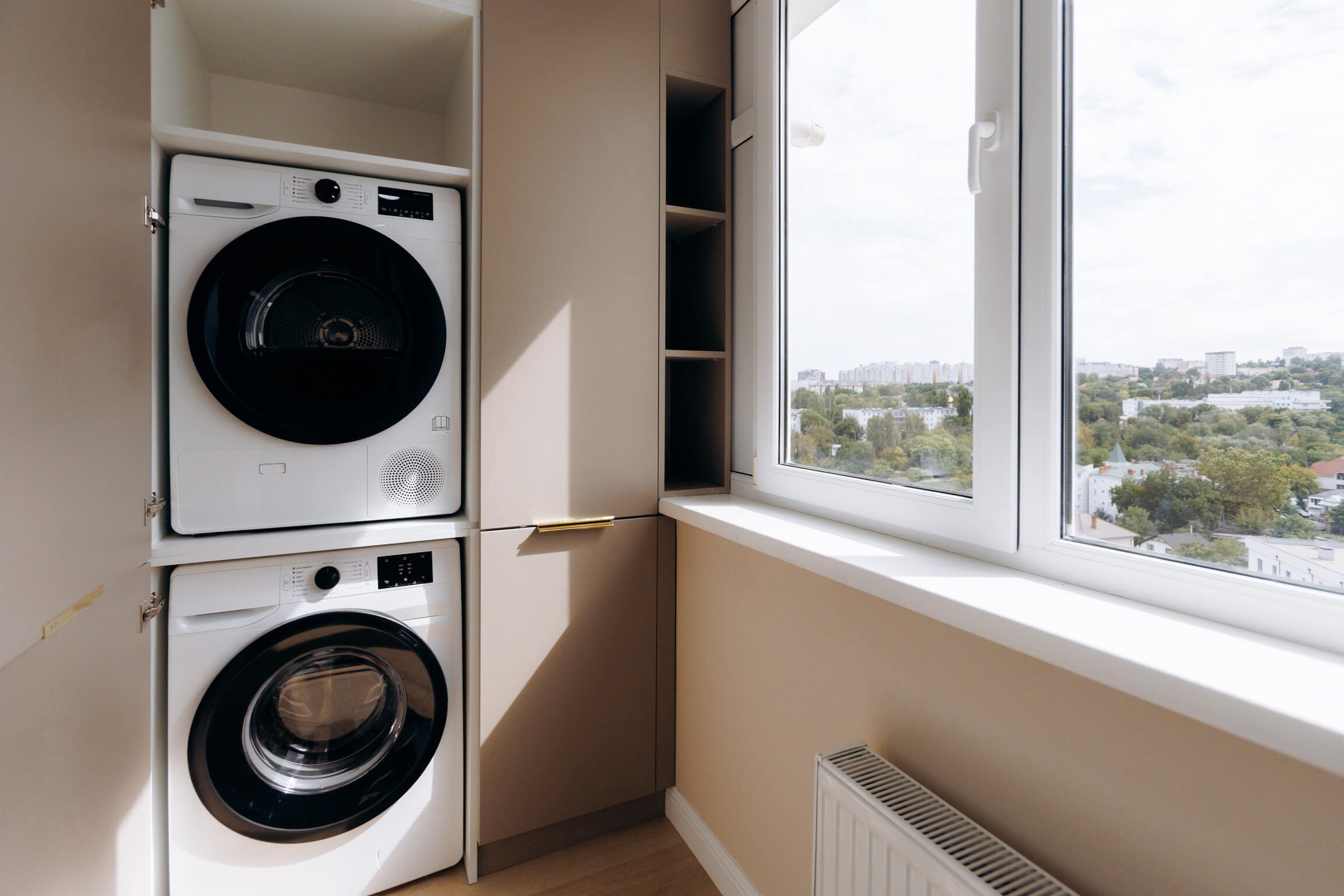
Shared laundry rooms used to be standard. Nowadays, they’re seen as a drawback. According to the 2024 NMHC/Grace Hill Renter Preferences Survey, 93% of renters named in-unit washer/dryer a most-wanted apartment feature—tied with air conditioning at the top and ahead of high-speed internet (90%).
For most residents, it’s less about luxury and more about convenience: not scheduling laundry around neighbors, not hauling bags down a hallway, not dealing with machines that are out of order. Renters notice, and they’re willing to pay for the difference.
At Alvista Nine Mile in Denver, Colorado—a 336-unit community built in 1980—owners made the decision to retrofit the building with in-unit laundry. The project finished on time and on budget, and owners saw a $150 per unit per month increase in rental income. - Water Heater Replacement: Increase Efficiency with a Like-in-Kind Swap or System Redesign
Replacing an aging, inefficient water heating system gives you two paths: a like-in-kind swap for a newer, more efficient version of what you have, or a system upgrade that rethinks the design, typically by decentralizing a central plant and moving hot water production closer to the units. Decentralizing cuts the distance hot water must travel, reduces or eliminates the recirculation loop, and means a service issue only takes part of the building offline instead of the whole property. Regardless of which path you choose, you will improve your system’s reliability and reduce costs.
There’s also a practical timing advantage. If your community is already planning to replace aging pipes, adding water heater replacement to the same project makes financial sense. You’re already bringing in crews and opening walls. Doing both at once avoids the cost and disruption of a second project down the road.
What These Upgrades Mean for Owners and Boards
Each of these upgrades targets a plumbing or mechanical system residents interact with every day, and the return shows up where it matters most. For apartment owners, modernized systems support strong market-rate rents, higher retention, and a real competitive edge against newer properties. For condo communities, they protect and can increase unit values, while meeting expectations buyers increasingly bring to the table.
Why the Right Partner Makes All the Difference
Any of these projects is a significant undertaking in a building where people live. Residents are home during construction. Work happens in or near their units. Done poorly, that creates noise complaints, negative reviews, and damage to occupancy and community relations.
Look for a turnkey plumbing and mechanical contractor—one who has done these projects before, many times, in occupied buildings, with systems exactly like yours. That means engineers who design the solution and project managers who are onsite every day managing tradespeople who self-perform most of the work rather than coordinating a patchwork of subcontractors. It also means a clear resident communication plan so people know what to expect and when.
Consider, too, whether to combine multiple upgrades into a single project with your contractor. You’ll reduce the number of times your building goes through disruption and it typically lowers your overall cost.
Start With What’s Behind the Walls
The buildings that stand the test of time are the ones with good bones. They aren’t always the newest, they’re the ones where ownership has been thoughtful about sequencing capital improvements, addressing the systems behind the walls before worrying about the aesthetics in front of them.
Ready to learn more about whether your property is a good fit for infrastructure upgrades? Reach out for a free consultation.