









In-unit laundry retrofits are a go-to choice for apartment owners seeking a straightforward capital improvement project with clear benefits: happier residents and increased monthly cash flow.
Multiple public sources cite that renters are often willing to pay meaningfully more each month for apartments with in-unit laundry—e.g., from $50 – $150 more, and even 20% more, per month—and some cite tax advantages as well*. While installation and maintenance require some investment, the rent gains can deliver rapid ROI.
Here are a few questions to help you assess whether an in-unit laundry retrofit is a good option for your property.
Do you have space?
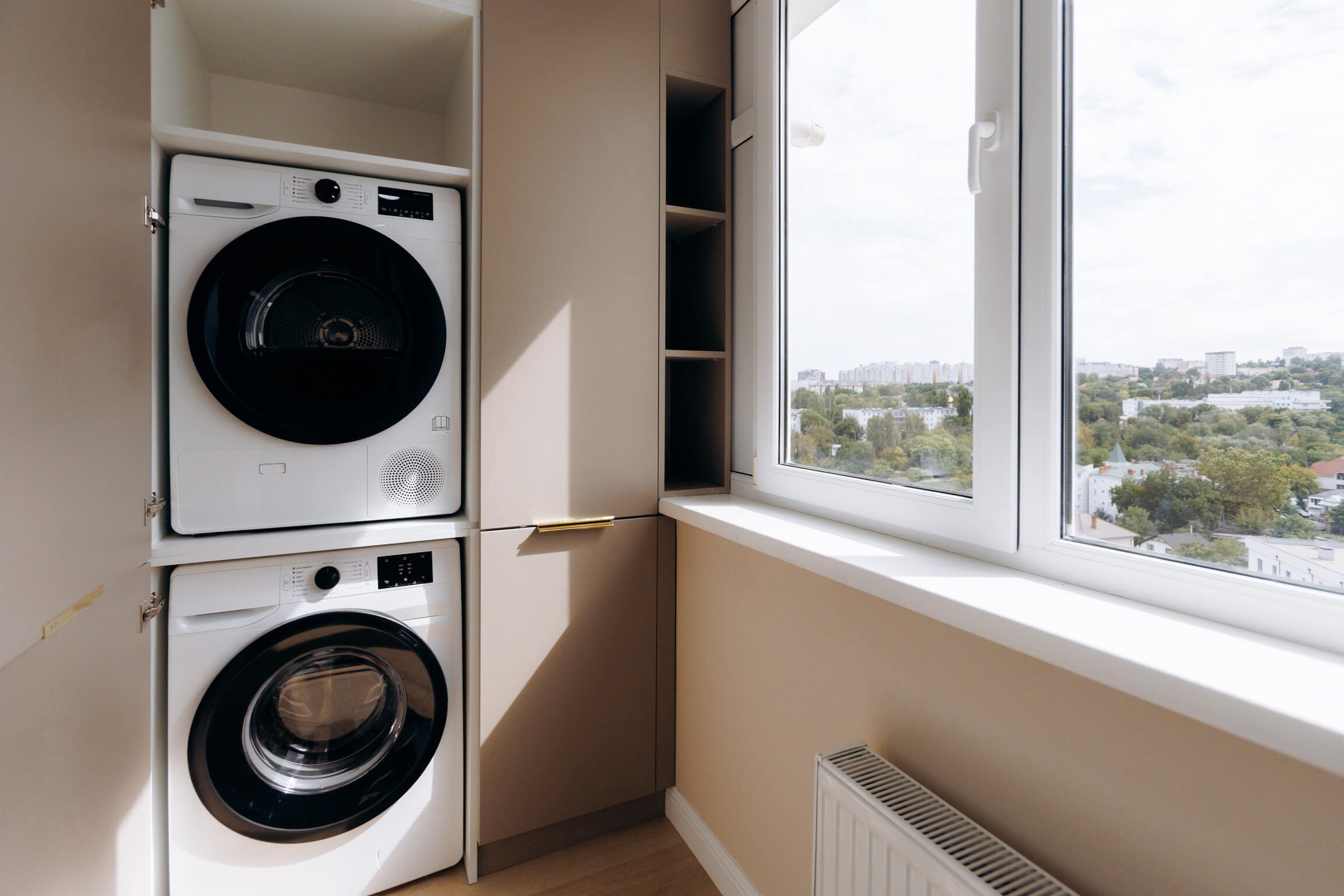
Make sure there’s sufficient space for washers and dryers in each unit. Of course, this doesn’t mean just the machines themselves. You also need space for lint removal and other maintenance, and proper venting (unless you select ventless dryers). The location you choose should also have easy access to electrical supply as well as hot and cold water and drain piping. And ideally, you avoid impacting resident comfort and usable square footage.
Do you have sufficient electrical and plumbing stack capacity?
Assess whether you’ll need to perform a “heavy-up” or upgrade electrical panels to support 240-volt, 30-amp appliances in each unit, and whether your existing domestic water and waste stacks can handle the increased demand. In some cases, you’ll need new piping to handle the extra load.
Will your renter profile pay a premium for convenience?
Understanding your renter profile is key when weighing the value of in-unit laundry upgrades. In markets where affordability is the top concern, adding laundry equipment may not significantly influence rent growth. Very price-sensitive renters may opt for a lower-cost unit without laundry facilities.
In some markets, however, the convenience of in-unit washers and dryers has become a must-have amenity. When it comes to balancing work, commutes, and family time, renters in these markets are willing to pay more to simplify their daily routines.
Are you able to do a property-wide retrofit?
Although it can be tempting to add in-unit laundry during unit turnovers, a coordinated building-wide project is nearly always the more cost-effective approach. Buying appliances in bulk typically means better pricing, and organizing one unified construction effort reduces time and labor expenses when compared to multiple mobilizations. That being said, every project is different. You’ll want to speak with your contractor to find the right approach for your property.
Do you have a contractor with experience delivering in occupied communities?
When planning an in‑unit laundry retrofit, it’s important to work with a contractor who can show they are successful at performing projects in occupied buildings. The right partner gets the job done on time and minimizes resident disruption, which helps protect your reputation (i.e., no dreaded negative reviews) and your occupancy rate.
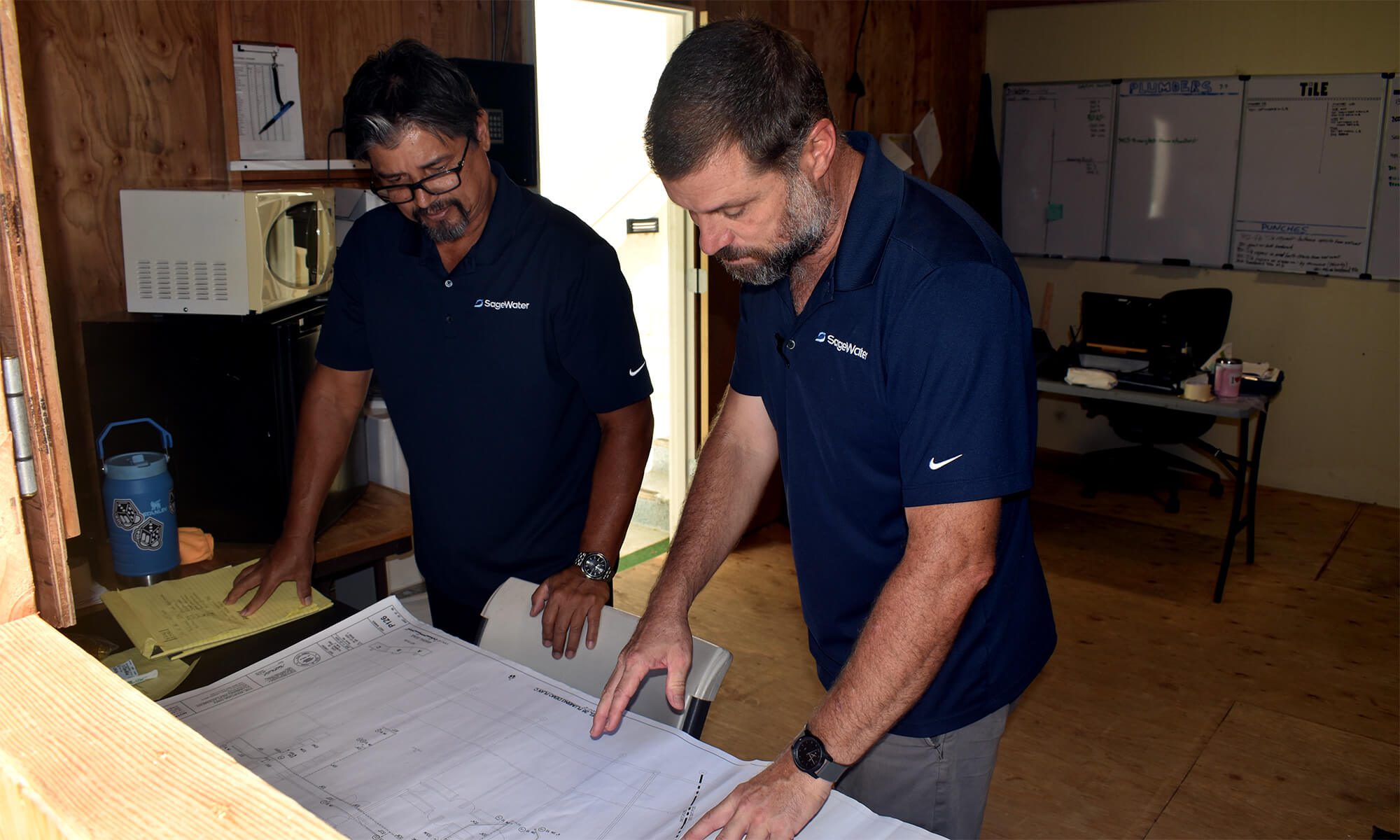
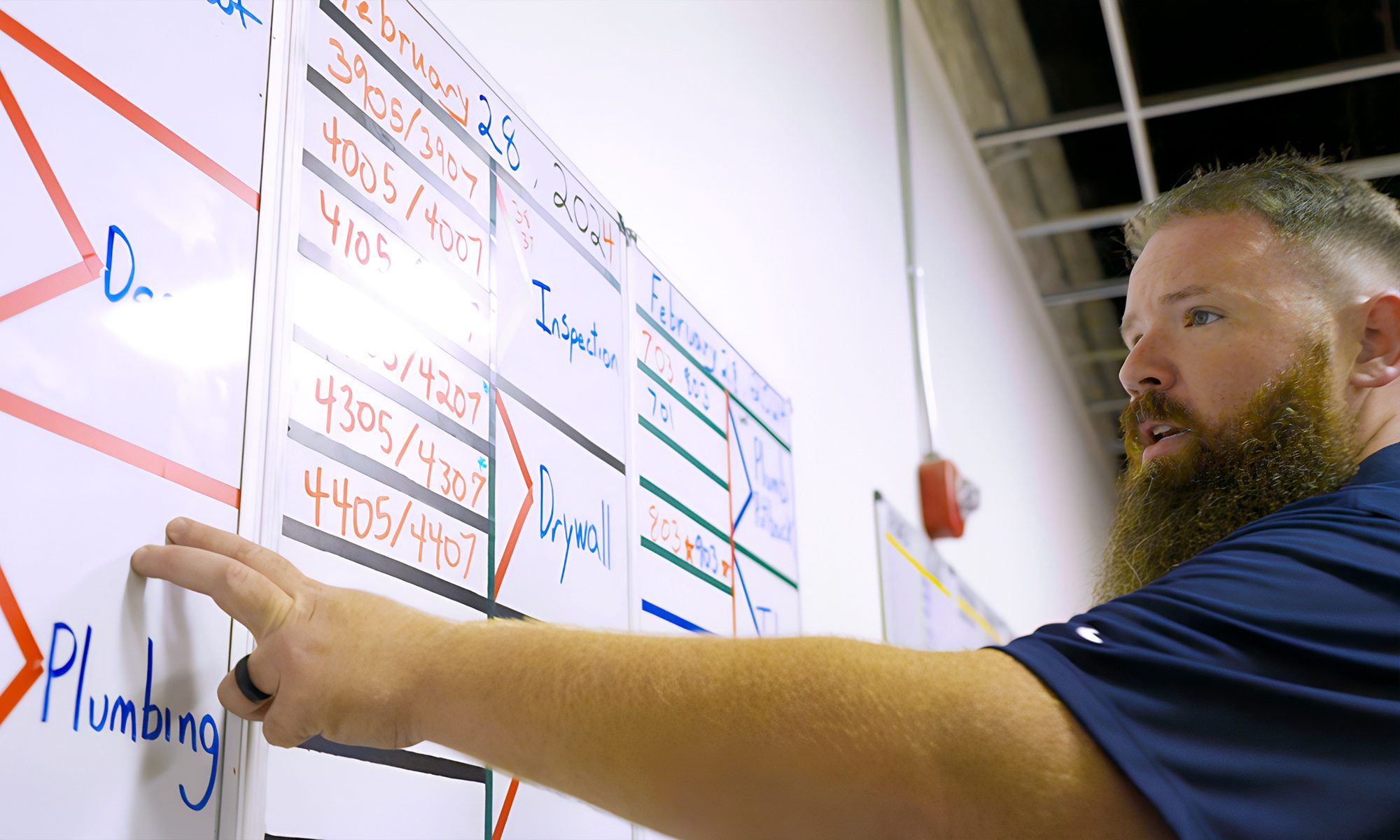
Instead of a general contractor who gathers and manages a number of trade sub-contractors, look for a team that handles most of the trades in‑house—such as plumbing, carpentry, and mechanical work. Look, too, for dedicated, onsite project managers with experience delivering a proven resident communication program. A contractor with this level of experience can streamline processes, cut costs, and reduce disruption, making a complex project relatively seamless.
In Conclusion
Washers and dryers in each unit remain one of the most in-demand amenities for renters and a common route for multifamily apartment owners looking to increase cash flow. To be sure it’s right for your property, select good partners to help with an ROI analysis—partners like SageWater who can assist with both engineering design and turnkey construction delivery.
https://movezen360.com/should-landlords-include-a-washer-and-dryer/
https://www.payrent.com/articles/the-pros-and-cons-of-a-washer-and-dryer-in-rental-properties
Ready to learn more about whether your property is a good fit for in-unit laundry? Reach out for a free consultation.