







Today’s rental market is anything but predictable. With rent growth slowing and costs showing no sign of easing, apartment owners and operators are under real pressure to make every project count.
In an uncertain environment, capital improvements need to deliver clear value—both for your bottom line and for your residents. In-unit laundry remains one of the most sought-after amenities, promising stronger resident satisfaction and the potential for higher rents, even in this complicated macroeconomic landscape. In fact, residents may be willing to pay up to 20% more for units with washers and dryers. And this increased cash flow can come quickly: one of our clients was able to increase rent by $150 per month once we completed installation.
However, before you proceed with a building-wide retrofit, it’s important to ask a few key questions to ensure the investment makes sense for your property and your goals.
Here are a few considerations to help you decide whether installing in-unit laundry is a wise business decision for a property you currently own, or one you’re considering acquiring.
Five Questions for Apartment Owners to Consider: In-Unit Washer/Dryer Retrofits
- Does the building’s plumbing and electrical infrastructure support in-unit laundry?
Before considering a washer/dryer retrofit, assess whether the building’s plumbing and electrical systems can accommodate the additional load. Will you need to upgrade electrical panels or perform a “heavy-up” to support 240-volt, 30-amp appliances? Can your existing water supply and waste stacks handle the increased demand adequately, or will new piping be required? Evaluating these factors early can prevent costly surprises. - How will dryer ventilation and “make-up air” be managed?
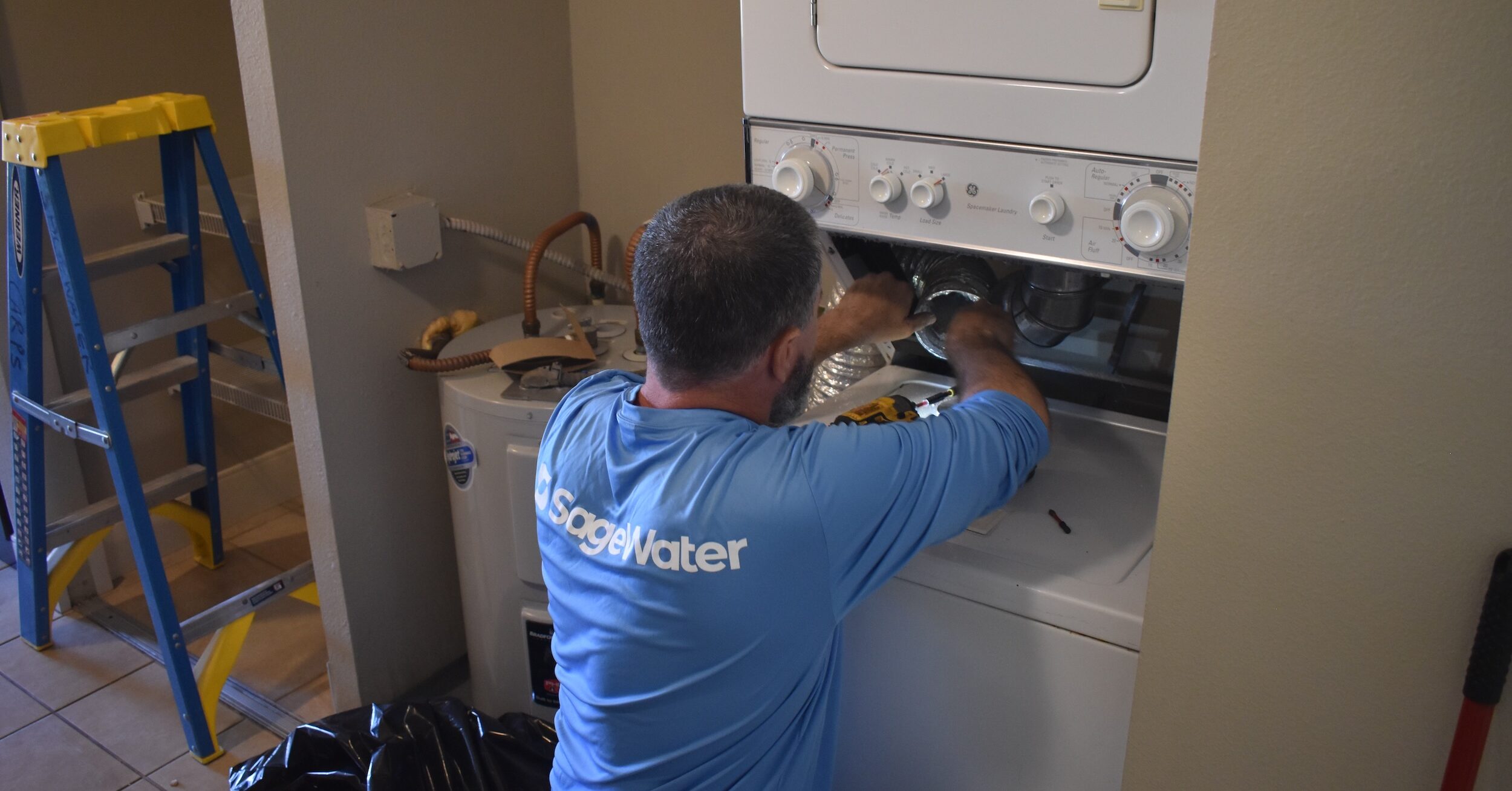
It’s not just plumbing and electrical infrastructure. For dryers, you’ll need to consider ventilation, too. Safety codes require proper venting for dryers, and some buildings may need additional “make-up air” to compensate for air exhausted by vented dryers. Will your building require ventless dryers, or can you install new vent runs? Will your market support ventless dryers? Ensuring code compliance is critical for both long-term performance and resident safety. - Where will laundry appliances be installed in each unit?
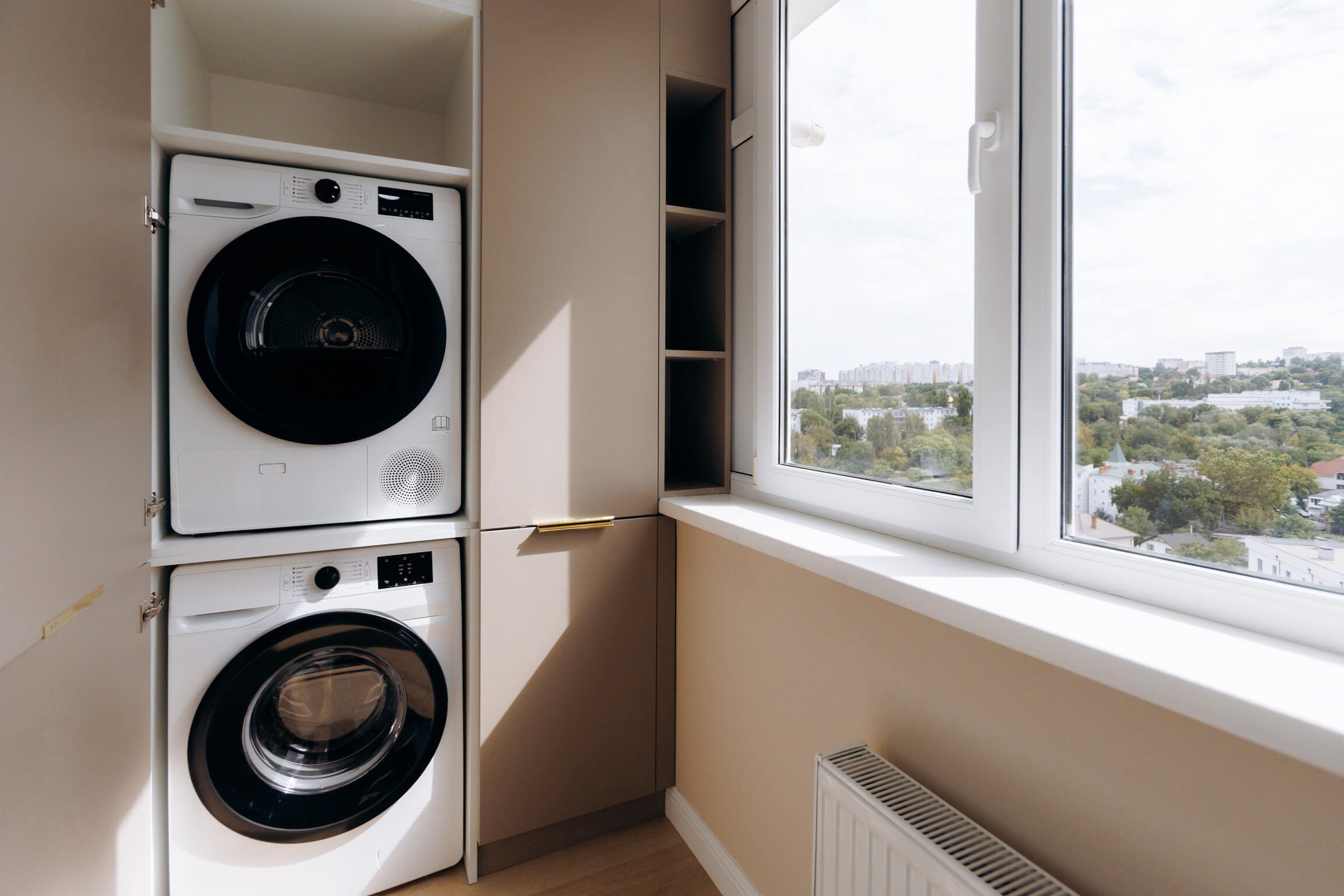
Determine if there is adequate space within each unit for the appliances, including code-mandated access for maintenance and lint removal. Is there a logical location that allows for proper venting and easy connection to existing utilities? Consider whether closet build-outs or other carpentry will be necessary, and whether these changes will impact resident comfort or usable space. Speaking with a specialty contractor who’s done many projects like this before can help you come up with creative ideas or solutions you hadn’t thought of before, particularly if space is at a premium. Sometimes, installation can be a matter of inches. An expert can help you both: 1) determine whether this is feasible for your property and 2) execute a tight job with finesse. - How will you approach the project (property-wide, phased, etc.)?
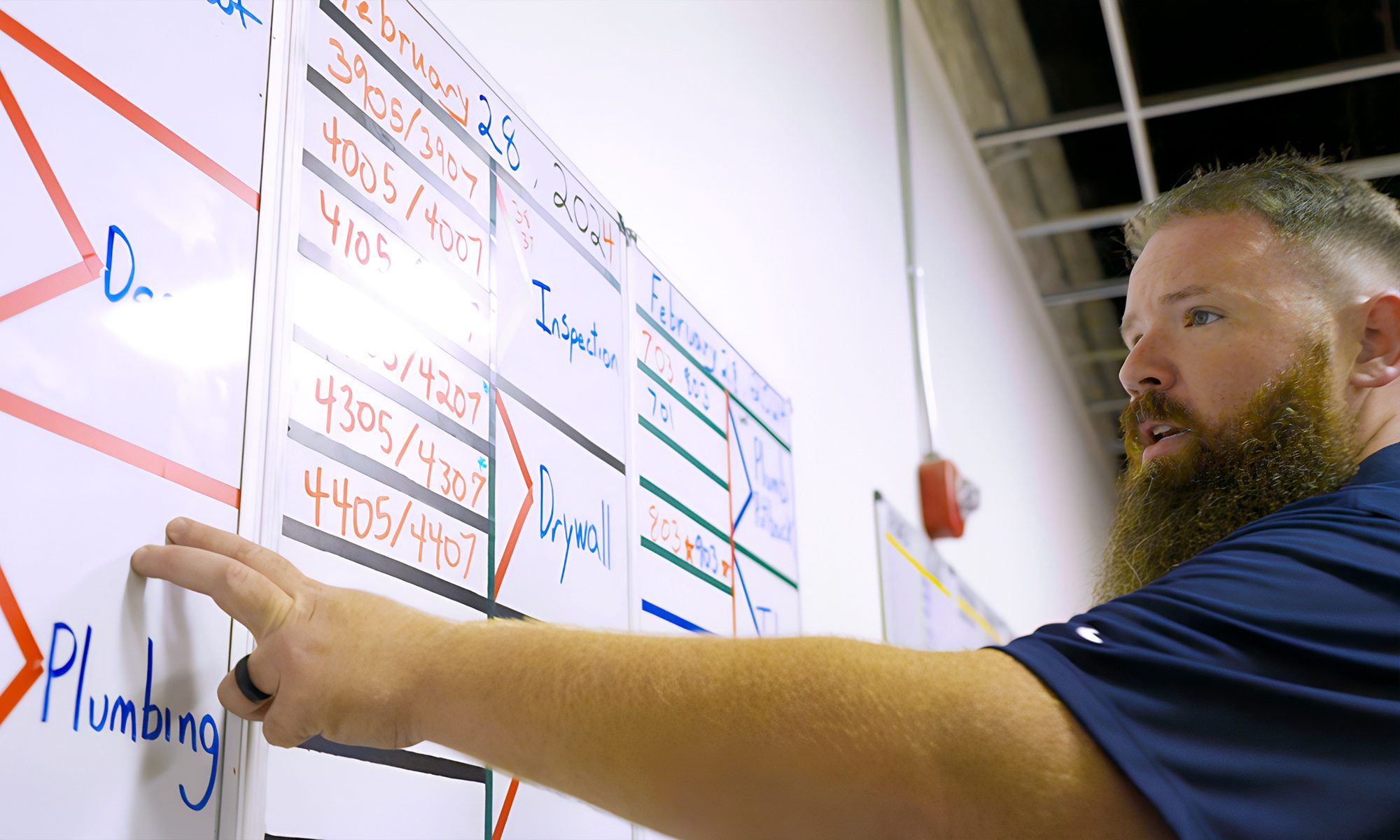
While it may seem appealing to install in-unit laundry during turnovers, the economies of scale and logistical efficiencies of a building-wide project usually make the latter a more financially sound option. Purchasing appliances in bulk yields better pricing. Likewise, mobilizing construction crews for a single coordinated effort is far more cost-effective than addressing units one at a time. Finally, interconnected piping and electrical systems often require work on multiple units or entire stacks simultaneously, making isolated retrofits impractical.With these factors in mind, we typically recommend a property-wide retrofit with one mobilization rather than phased or on-turn installations. Of course, every project is different. Work with your contractor to develop the best solution tailored to your specific circumstances. - Who should manage the project—and what expertise is required?
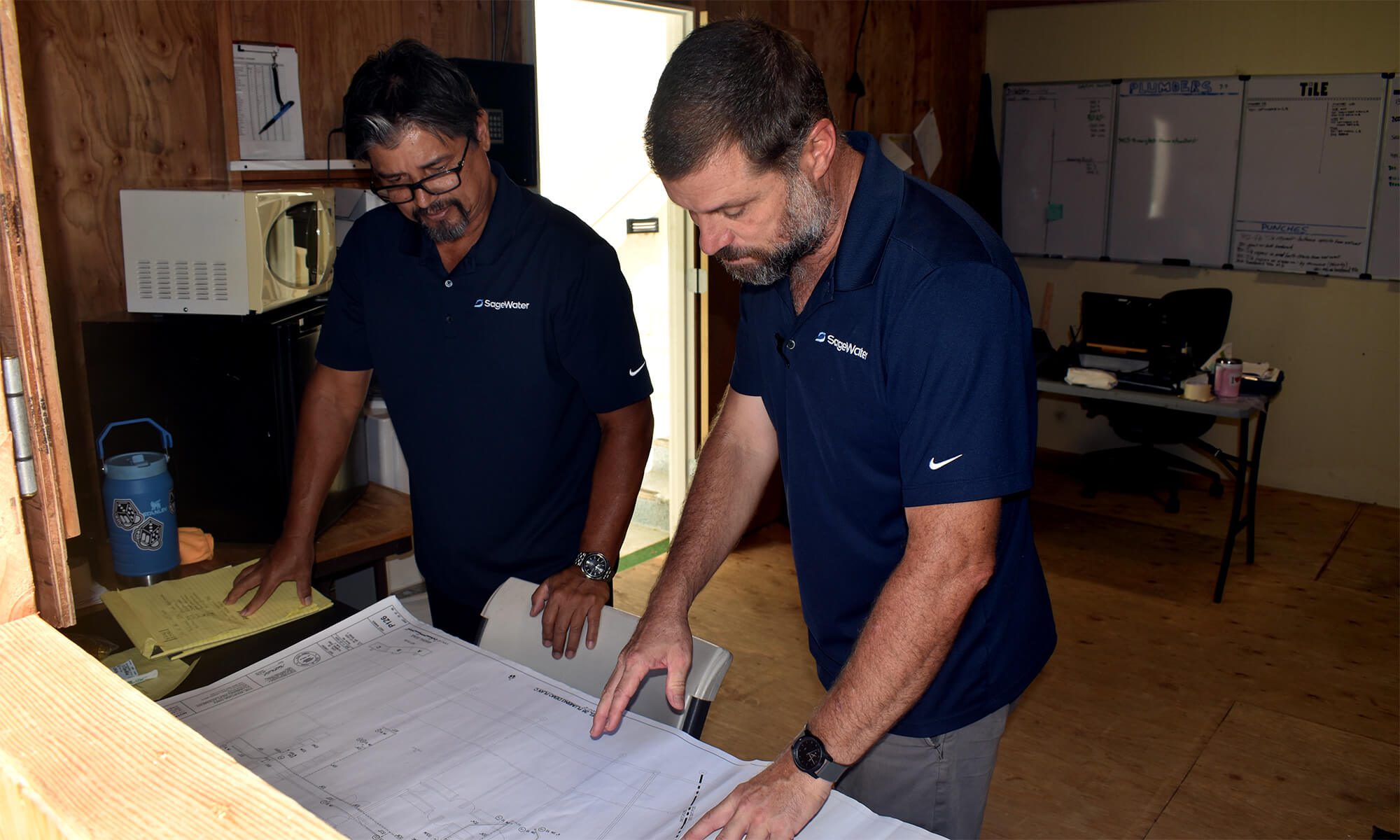
A successful in-unit laundry retrofit involves multiple trades: plumbing, electrical, carpentry, and mechanical work, as well as project management and resident communication. Does your contractor have the appropriate in-house staff and a proven track record with multifamily retrofits? A specialty contractor with integrated expertise can streamline the process, minimize disruption, and deliver a higher-quality result. In addition to making the project run smoothly, working with an expert contractor will ensure the safety of your residents and property. In fact, the National Fire Protection Association recommends that washers and dryers always be professionally installed by experienced contractors to lower the risk of dangerous and costly fires.
In Conclusion
Adding in-unit laundry is a significant undertaking, but with careful planning and the right expertise, it can yield lasting benefits, supporting long-term financial performance and making your investment more resilient.
*
Want to learn more about installing in-unit laundry at your multifamily property? Get in touch for a free consultation!