









Why “Good Poly” Is a Misnomer
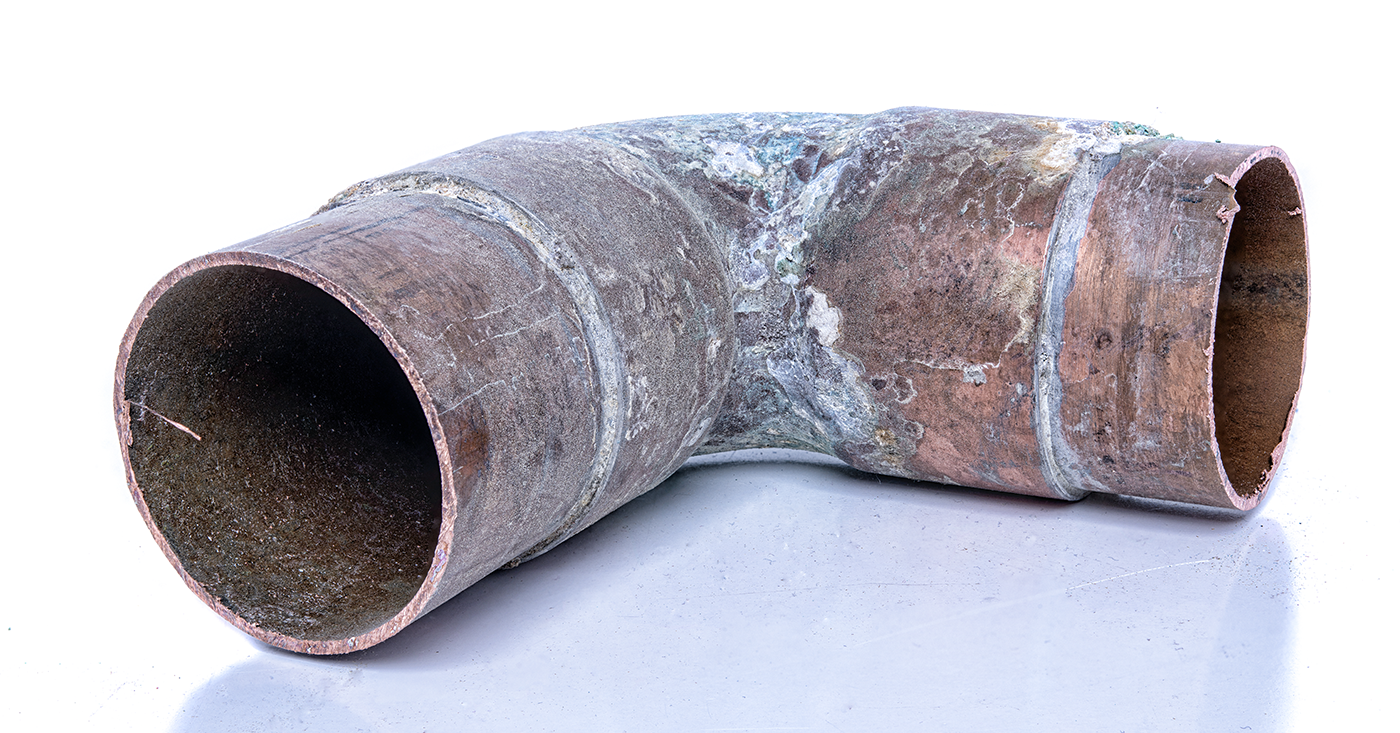
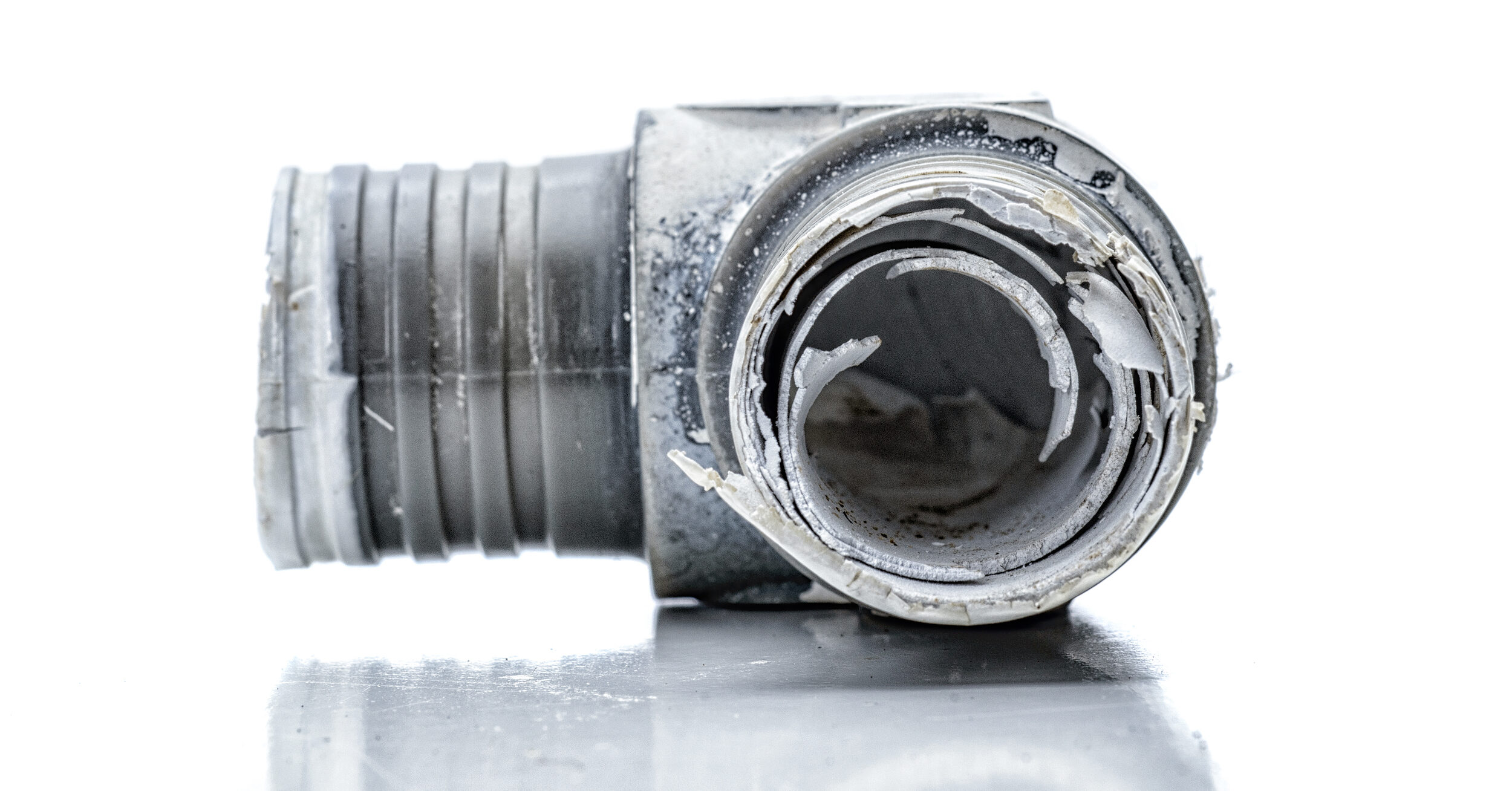
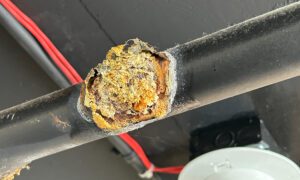
The problems with piping made with polybutylene are widely known. When exposed to chlorinated water—for example, the public water supply—polybutylene fractures and fails, causing leaks and significant damage. Used from 1978 to 1996 in up to 10 million garden style apartment and condominium communities and single-family homes, polybutylene was initially a popular alternative for domestic supply and fire sprinkler systems due to its low cost and ease of installation. In the years since, it has caused headaches for properties across North America.
Whether through word of mouth, class action lawsuits, insurance issues, or their own experience with catastrophic leaks, apartment owners/operators and condominium Board members are often well-versed in the problems with polybutylene. What they’re not always aware of are the misconceptions around “good” and “bad” poly, or the double threat poly poses to communities today.
Is There Really “Good” and “Bad” Poly?
Despite poly’s poor reputation, we often hear property managers, building engineers, and maintenance staff talk about “good poly” and “bad poly.”
If your polybutylene piping hasn’t had a catastrophic failure, it must be one of the “good” poly systems—right?
The truth is, there’s no real distinction between “good” and “bad” poly. The “good” poly is simply poly that hasn’t failed from exposure to chlorine. For example, if your property’s water is supplied by a well rather than the local municipality, your poly pipes likely haven’t experienced the major flaking, peeling, and stress fracture issues endured by other communities.
The “Double Threat” Posed by Poly Piping
Unfortunately, whether you have so-called “good poly” or “bad poly,” at this point it’s all just “old poly.” By now, polybutylene piping is what we refer to as a double threat: the piping is allegedly defective and has reached the end of its typical lifespan.
As with other types of pipe used in pressurized systems, such as CPVC, PEX, or copper, the constant forces put on these pipes—including pressure, temperature, and flow (especially on systems with recirculating hot water lines)—cause them to age out in 30 to 50 years. Since poly was first installed in the mid 1970s, some systems are approaching the 50-year mark. For the systems that haven’t already experienced the more catastrophic failures, we are seeing failures similar to those in other aged systems. Quite simply, they’re ready for a repipe.
But It’s Not All Bad News…
The good news is that poly is still quick and easy to replace. The nationwide repipe industry that arose in response to these issues with poly is now well-established and capable of replacing your aged poly, too. In the case of SageWater, we’ve been carrying out multifamily repipes across the country for more than three decades and we apply a proven turnkey process that allows residents to remain in their homes during the project.
If you are struggling with old poly pipes that are starting to split, crack, and leak, it’s probably time for a system-wide replacement. Find out for sure by talking with plumbing and mechanical specialists like us. While time may heal some wounds, you simply can’t roll back the clock on aging infrastructure.
————-
Making a Poly Repipe Work for You
SageWater has a proven process for efficiently replacing old and potentially defective poly systems with more reliable piping. We also tailor every repipe to meet each community’s specific needs. Here are a few ways we’ve made polybutylene system replacements go smoothly for our clients.
Powderidge Condominiums
Snowshoe, WV
For this slopeside community, we adjusted our timeline to ensure most of the work was done during the shoulder season, minimizing disruption to owners who rent out their property in winter and summer.
River Park Apartments
Orlando, FL
This family-run property needed transparency and good communication. They liked how we gave every resident the project manager’s phone number and kept the whole community informed at each stage of the project.
Parkway Cooperative of Burnsville
Burnsville, MN
This senior living community partially financed their repipe with a HUD loan, so we made ourselves readily available to ensure they had the necessary documentation and project details to secure the funds.
Inlet Bay Apartments
St. Petersburg, FL
We replaced the defunct shutoff valves first, enabling us to shut the water off unit by unit to minimize disruption to residents. Space for the new pipe was tight, so we ran it in an aesthetically pleasing drywall bulkhead.
Contact us to discuss whether a repipe for your polybutylene pipes make sense for you.