








Plus two simple tools to make it part of routine maintenance
When a pipe leaks, a drain clogs, or an HVAC system fails, your maintenance team limits the damage, makes repairs, and restores service quickly. But sometimes the same problems come up repeatedly—across your community or in specific areas. You’ll probably wonder why, and whether there’s a way to stop it.
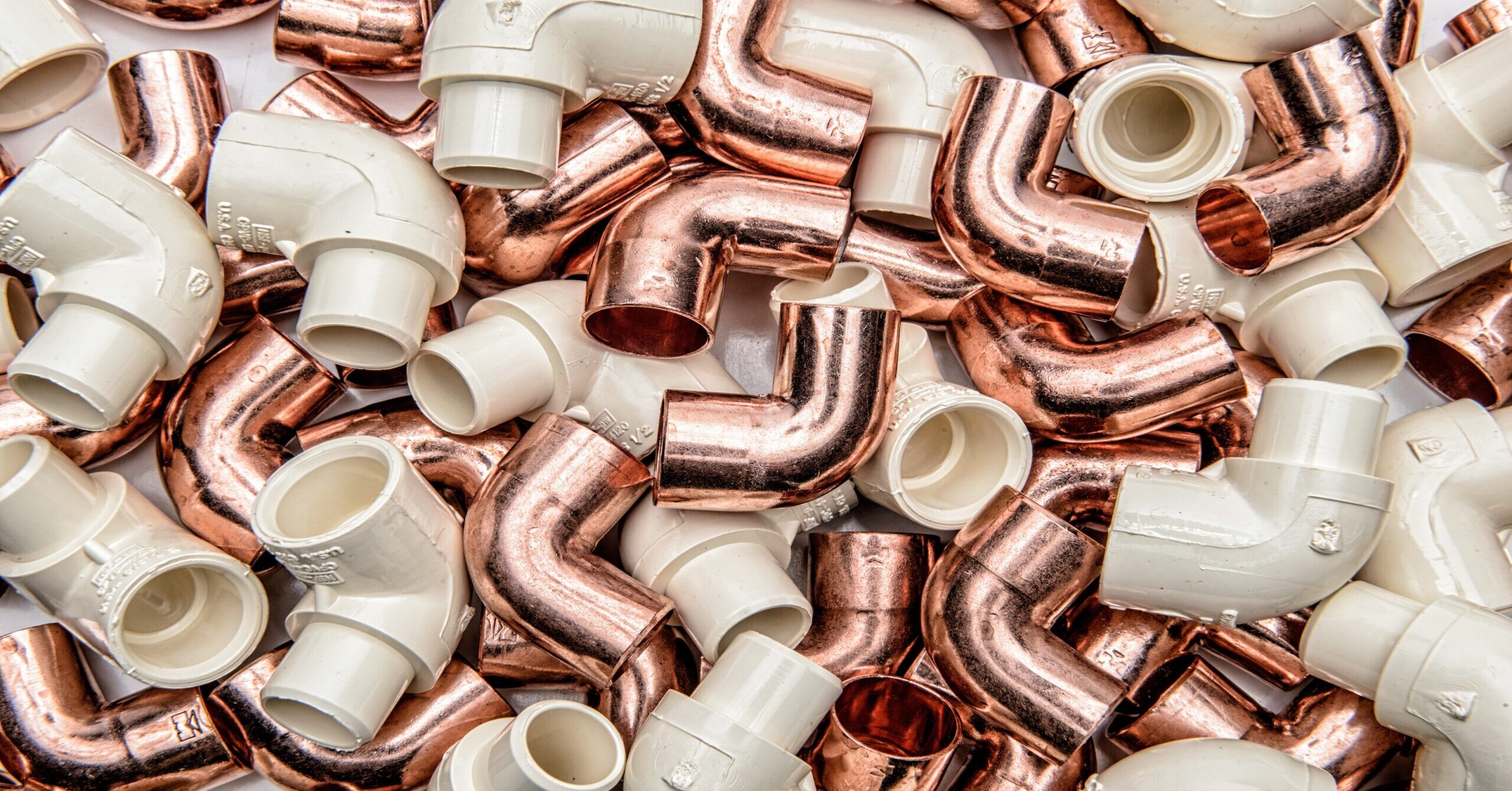
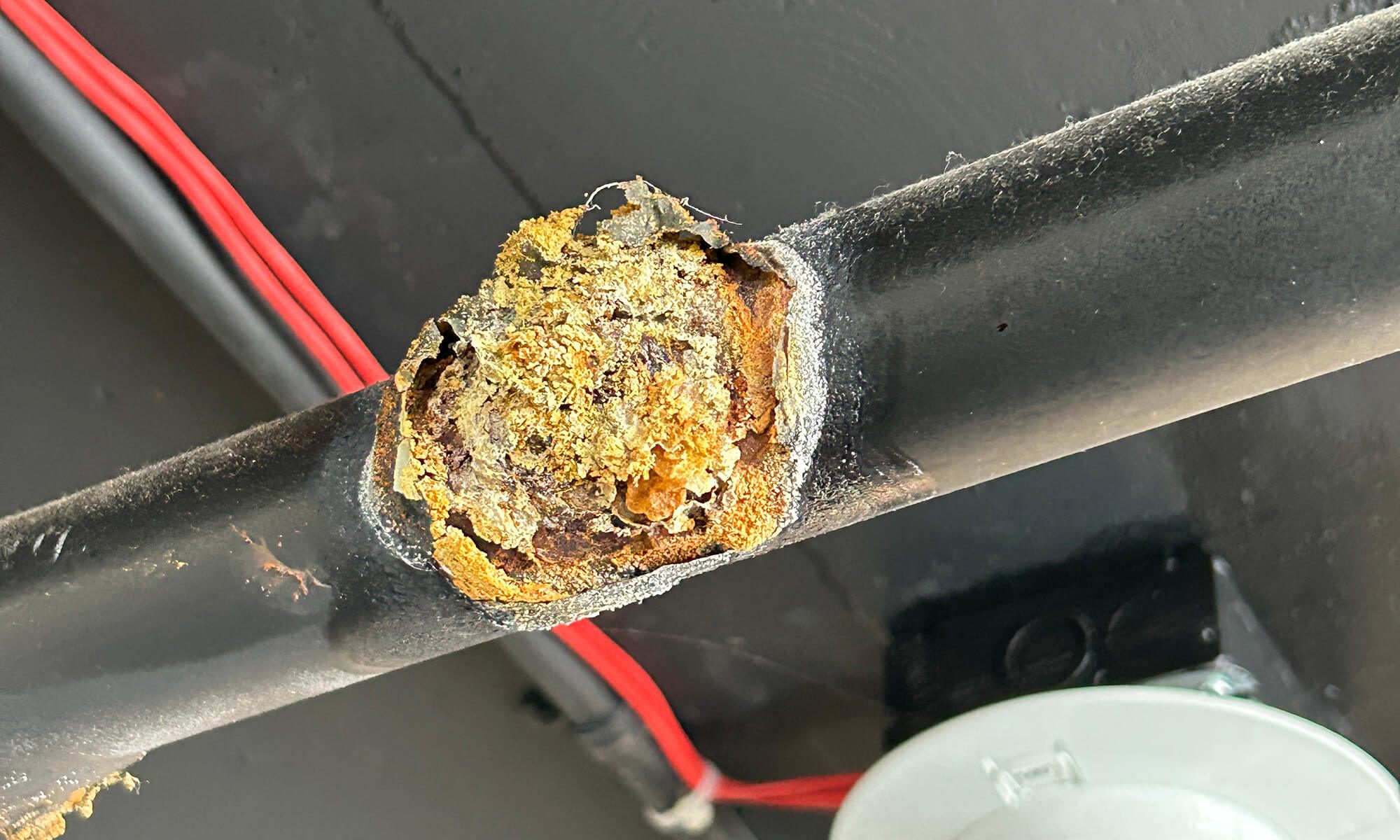
Before your community experiences its next plumbing or mechanical problem, talk with your head of maintenance or operations about saving and logging the pieces of pipe that plumbers remove during their work. Each piece of pipe and fitting holds clues to why it failed. And when the same failure keeps happening, your pipe samples are critical evidence you can use to make informed decisions that eliminate costly problems.
Keep the pipe. Track the leak. Simple tools to make it happen.
You can help make it easy for your maintenance team to save removed pipes and capture other critical information about plumbing incidents with two tools that SageWater has created:
- Pipe Sample Collection Kit: A simple checklist for how to store removed pieces of pipe and pipe fittings to preserve evidence—what we call bagging and tagging. In addition to the checklist, the kit includes a list of the everyday materials a team will need and tags to attach to the samples.
- Leak Log: An incident tracker for logging details and evidence for each plumbing and mechanical repair. It guides workers to take photos and record critical information such as location, piping system, pipe material, who did the work, and what the repair cost.
What your leak log and saved pipe samples can tell you
For recurring plumbing and mechanical problems, your leak log and an analysis of pipe samples can help answer questions like:
- What are piping failures costing you?
- Is a problem isolated or systemic?
- Is there a construction defect, including one that may fall under a warranty?
- Has a piping system reached the end of its useful life, meaning it needs to be replaced?
The information can also help you and leadership make informed decisions about budgets and long-term planning:
- Budgeting. Refer to leak history and repair costs to set realistic annual maintenance budgets. When the costs are rising too quickly or have grown too large, that’s your cue to start investigating a better approach than treating problems as they come.
- Long-term planning. Just like roofs and other building components, your plumbing and mechanical systems will reach the end of their useful lives and need to be replaced. Fannie Mae and HUD provide guidance on how long your infrastructure will last. Combine information about the age of your systems with your leak history and related costs to inform reserve funding or a capital plan. And if you have any doubts, get an evaluation of your piping.
When the cause or fix is in question, get a professional evaluation
If doubts hold up decision-making, call in a plumbing and mechanical forensic expert. In addition to information from your leak log, they can analyze your pipe samples and perform an on-site inspection to provide scientific and empirical data about the condition of your pipes.
And (shameless plug coming) when you engage SageWater for a Pipe TEST™ forensic analysis, you get the data put in context, with recommendations on what to do plus detailed estimates if a system-wide pipe replacement is warranted.
Get started
The SageWater Leak Log and Pipe Sample Collection Kit are ready for you to download right now. Share them with your maintenance or operations leads and talk about how you’ll use them to help better manage operating costs, investigate stubborn problems, and inform long-term planning. And the icing on the cake? You’ll make timely improvements that help minimize disruption in residents’ lives.
Downloads (available in the sagewater.com Resource Center):
Have questions about what your pipes are telling you? Reach out for a free consultation.