








Mechanical System Replacement Solutions: Materials and Equipment
Reimagining comfort for your community
HVAC Piping Replacement Materials
Black Steel
Black steel is one of the more common materials for hydronic systems. It’s durable, reliable, and easy to work with, making it an excellent choice for hydronic plumbing risers (i.e., vertical pipes that serve multiple units).
Copper
Tried and true, copper is often the preferred piping material for HVAC systems due to the variety of available sizes, reliability, and ease of use in both hydronic and refrigerant-based systems.
PEX
PEX piping has become a lower cost alternative for hydronic systems, especially smaller diameter risers and laterals (i.e., the pipes that run from a resident’s unit to the riser).
HVAC Plumbing Coupling Options
Mechanical Fittings
Going by brand names like Victaulic®, these mechanical connectors clamp together ensuring a reliable and easily serviceable connection.
Press Fit
Frequently called by their brand name, ProPress®, these couplings use force to crimp and press together connections forming a quick and secure connection.
Soldering
Traditional soldering creates a complete and reliable seal between pipe and fittings but can be a slower process than mechanical or press fit connections. Pre-fabrication helps reduce installation time and using open flame in residential units.
Expansion Fittings
For PEX systems, expansion fittings provide the most reliable connection. Installers heat and stretch the fitting, enabling it to slide over the host pipe until it cools and contracts to form a seal.
HVAC Equipment Replacement Solutions
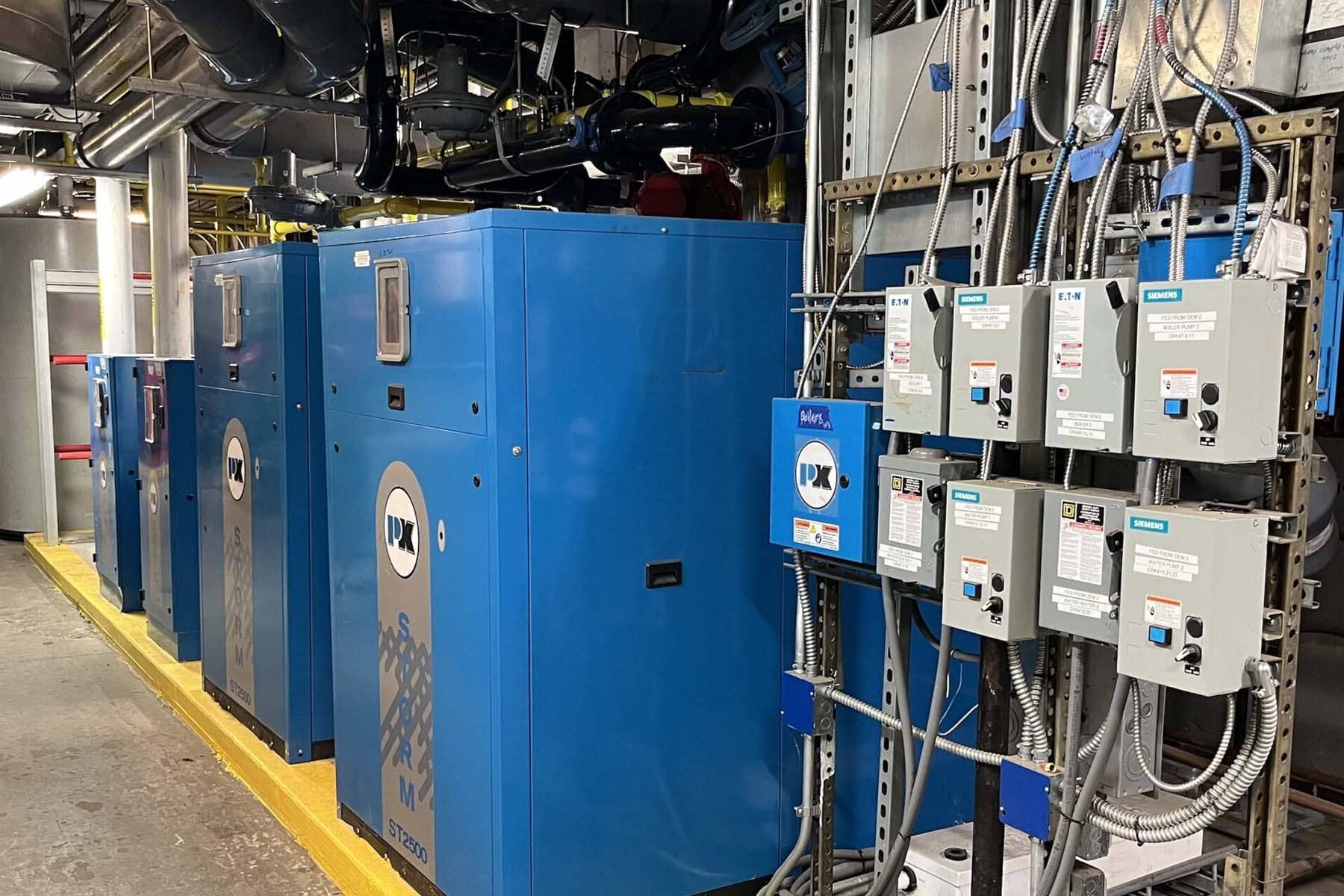
HVAC innovations in the past 20-30 years mean that converting your infrastructure to include modern equipment and configurations often delivers significant benefits. From replacing boilers, chillers, and control systems to converting from fan coil units (FCUs) to water source heat pumps (WSHPs), to implementing distributed systems like VRF and mini-splits, you can choose from several solutions at different price points.
We help you explore options that meet your project goals and design solutions that are best for your community and budget.
Learn More about HVAC Replacement Solutions.
Contact Us for a free consultation