Common Drain, Waste & Vent Pipe Problems

Troubleshooting your sanitary system issues
hero image


When your Drain, Waste and Vent (DWV) system starts to fail, you’ll usually know it because you can smell it. In addition to leaking wastewater or gases, residents across your community may experience slow drains and back-ups.

Learn about the common problems that can occur with DWV piping materials and system designs.

Common Problems in DWV Piping Materials and System Designs
image

Chinese Cast Iron Premature Failures

Cast iron is one of the most common materials used for multifamily DWV systems, especially in mid- and high-rise buildings that require structural rigidity for such long, vertical stretches of piping.

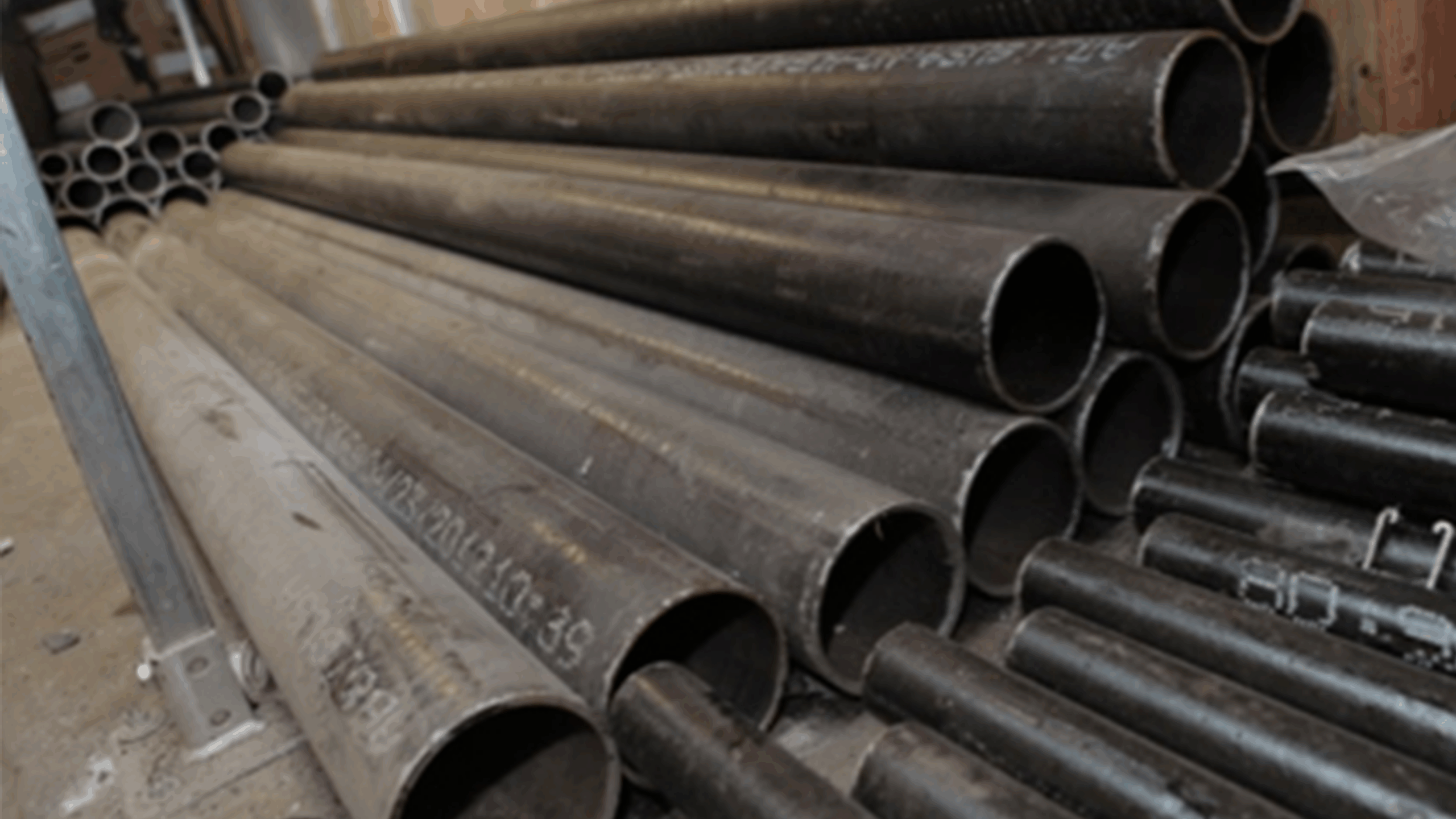
In the early to mid-2000s, many multifamily properties were built with a Chinese-made cast iron—often because it was less expensive than American-made piping. Today, we’ve observed that it’s well understood among many in our industry that Chinese-made cast iron can fail prematurely. As a result, many architects and engineers specify only American-made cast iron for their projects.

What went wrong? Some will point to how the Chinese-made piping is forged, others to the source material—e.g., it uses “pig” iron compared with the scrap iron that American manufacturers use. (See March 7, 2017, PCHP Pros, Bill Morris, Pig vs Scrap Iron.)

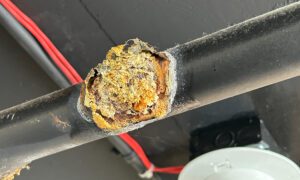
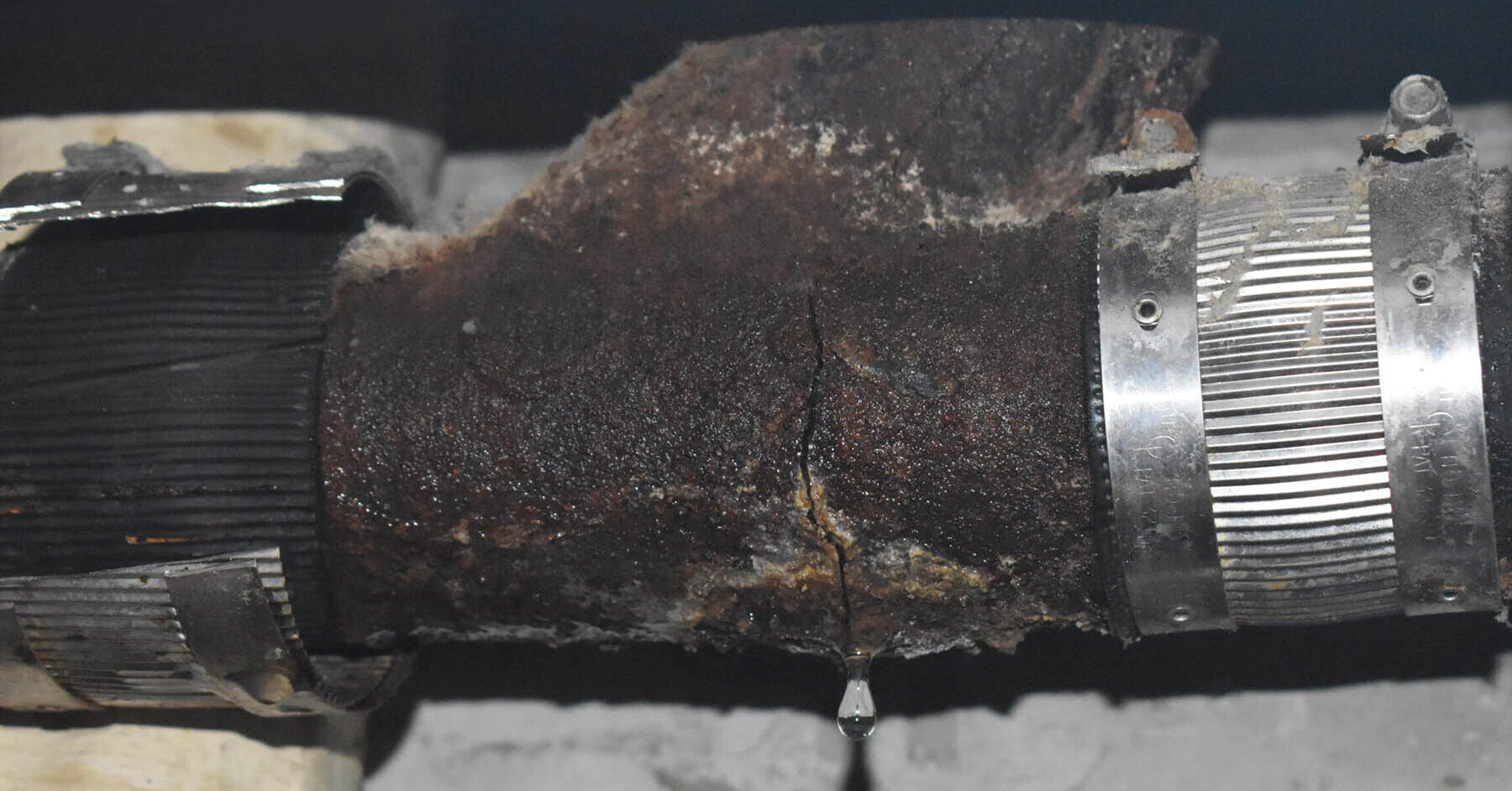
Whatever the root cause, the outcome is that a sizable number of communities with DWV systems built with Chinese-made cast iron need to replace their systems much sooner than expected because of pipe fractures, frequent leaks, clogs, and back-ups.

image

Single-Stack System Clogs

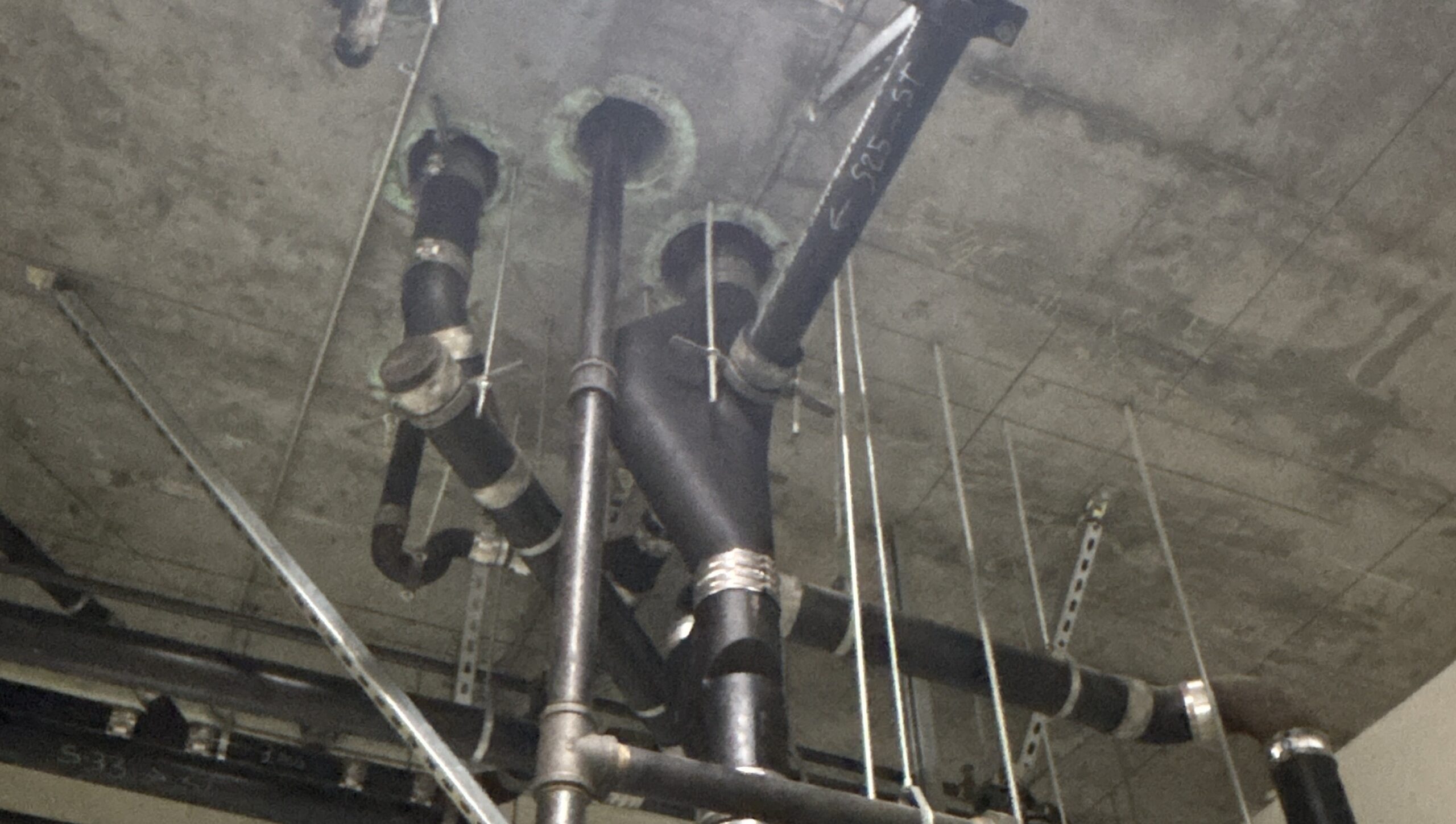
Single-stack DWV systems—the most prominent of which is Sovent®—are a good option in certain cases. They can be less expensive to build and require less space behind your walls. The innovation is that it combines both drain and vent functions into a single “stack” compared with conventional systems that run the drain and vent piping separately.

These systems require special maintenance to avoid clogs, which is how communities often see problems in their buildings.

In our experience, the systems may fail prematurely for reasons such as:

  • Improper or deferred maintenance
  • Inappropriate design—especially when attached to laundries and kitchens
  • Improper installation, which used to occur more often when the systems were first introduced because designers and contractors were inexperienced
image

Plastic Piping Noise and Sagging

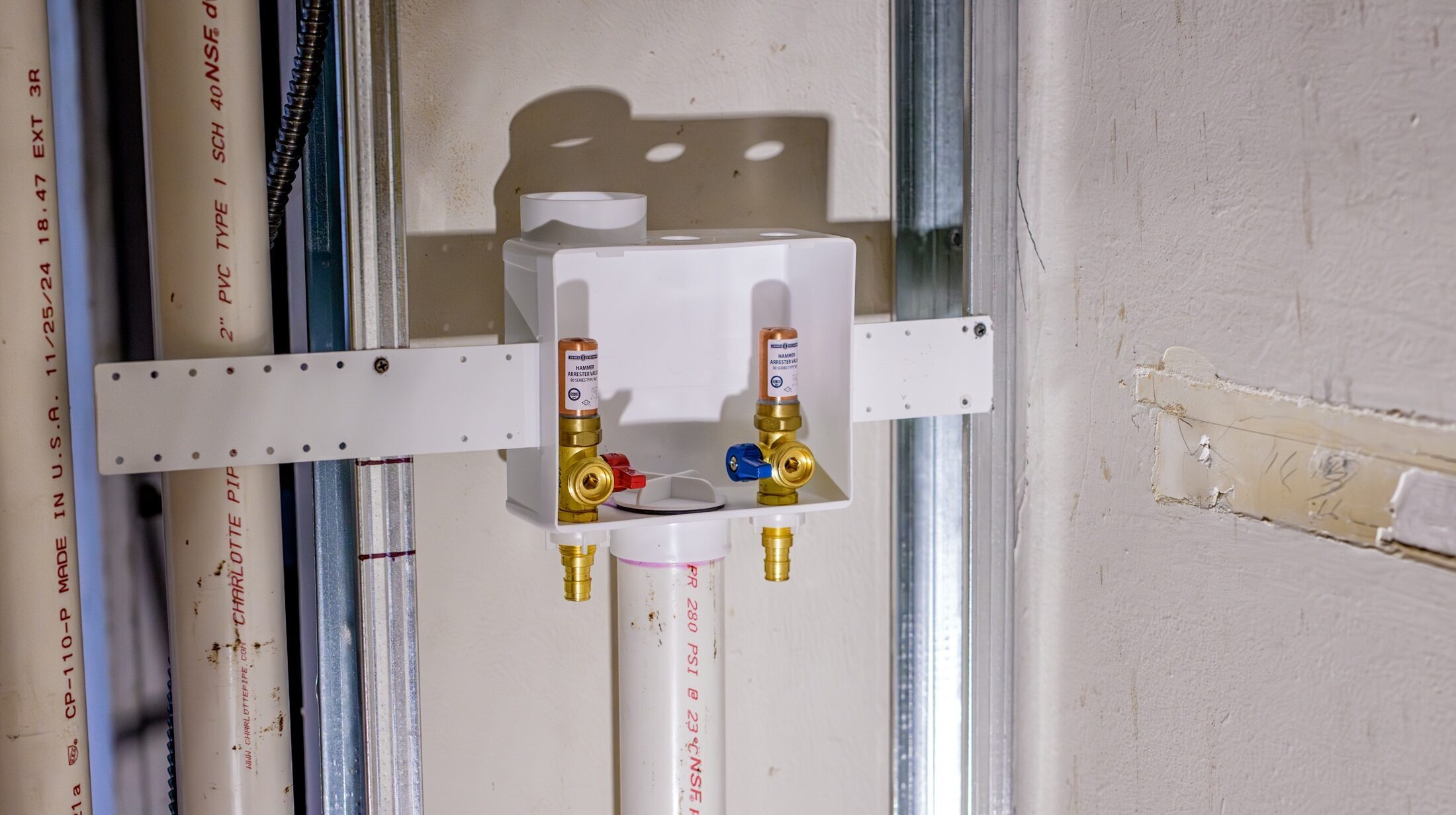
While PVC, ABS and other plastic piping is code compliant for many drain and vent systems, and often more affordable than metal, it can be problematic, especially in mid- and high-rise communities. Here are examples of why:

  • Structural rigidity. Because plastic pipes are less structurally rigid than cast iron, drains may be slow and back up often due to sagging and bellies (or low spots) in lateral drains.
  • Noise. Unless they are insulated, plastic pipes are noisy. Residents often complain about hearing a “waterfall” behind the wall every time someone from several floors above flushes a toilet or takes a shower.
Ready to discuss solutions for your DWV infrastructure?
Contact Us