




The Problems with Epoxy Pipe Lining

Learn why epoxy pipe lining isn’t always a good alternative to replacing troubled pipes.
hero image

When facing systemic problems with their plumbing infrastructure, multifamily owners/operators and condominium associations often find themselves deciding between two options: pipe replacement or pipe lining.

Making the right choice is as much about protecting owner investments as the health and safety of the community.

Pipe lining—coating the inside of pipes with an epoxy resin—is often marketed as a quick, low‑disruption alternative to replacing an aging or defective piping system.

In practice, lining can create new technical, financial, and maintenance problems. It’s not the “easy fix” service providers claim. Particularly for domestic water pipes, pipe lining can pose serious risks to health and infrastructure.


Pipe Lining’s Limitations and Issues

Many owners first hear about lining when searching for a less invasive way to address leaks in aging or defective piping. Vendors highlight smaller access openings, shorter schedules, and the promise of “new pipe inside the old pipe.”

The reality, however, is more complicated. Here are a few limitations of pipe lining to keep in mind.

Pipe Lining Limitations

The installation of epoxy lining requires adequate pipe cleaning, mixing, and application. Depending on the installation method, shortcomings in preparation, cure time, or pipe access can lead to issues such as blowouts, uneven coating, and—sometimes—projects that become more invasive and costly than full replacement.

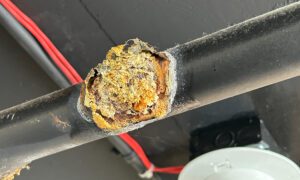
If the liner does not adhere uniformly, corrosion can continue between the epoxy and the pipe wall, causing the liner to delaminate, shed fragments into the system, and eventually force owners to pursue full pipe replacement anyway. Delamination can become particularly problematic for domestic water systems, with pieces of epoxy entering the community’s drinking water.

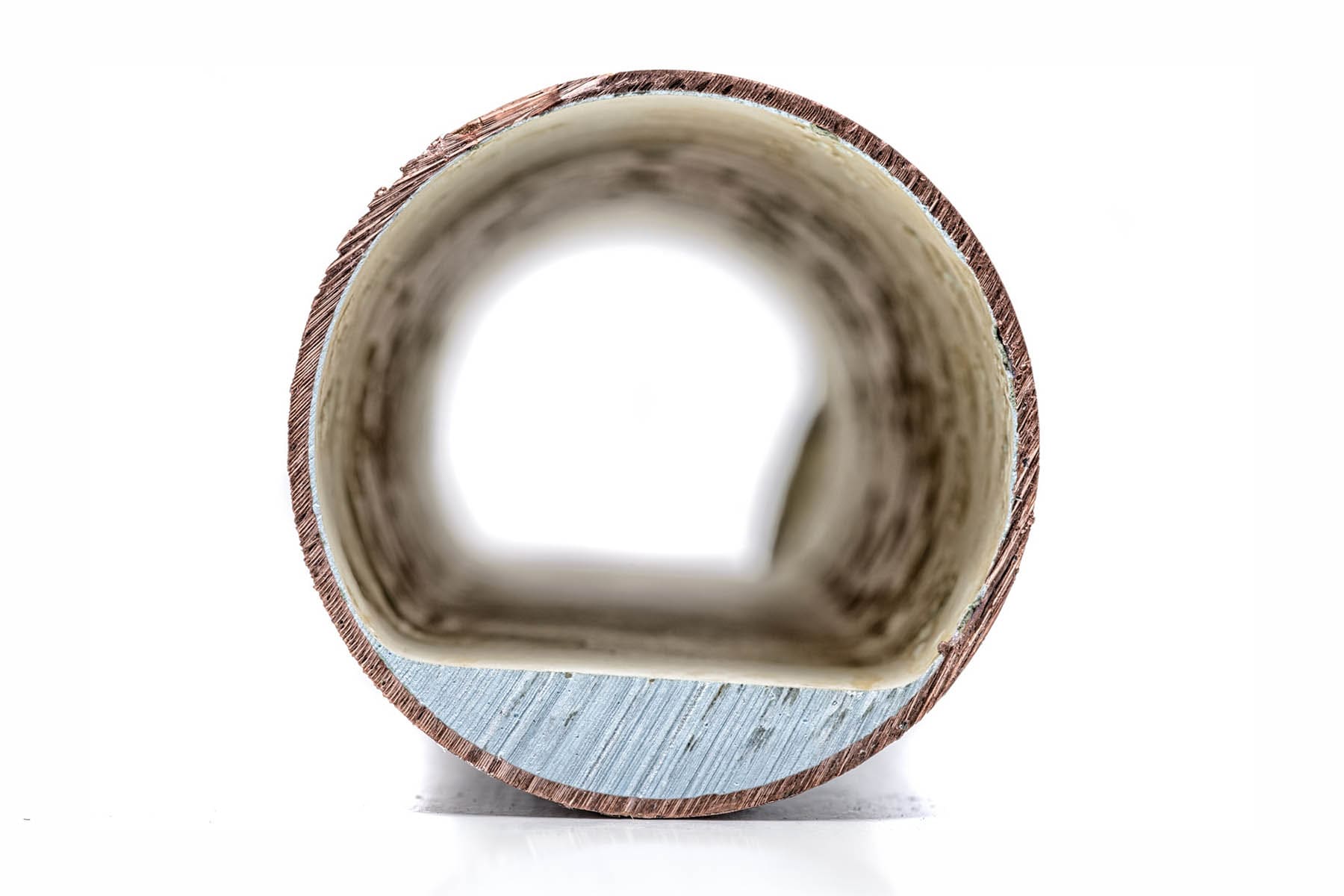
Because lining reduces the pipe’s interior diameter and can create bottom pooling and uneven surfaces, it can slow flow, increase turbulence, and (in some cases) leave systems that no longer meet plumbing code or performance expectations. In this case, properties resort to replacing the system… essentially paying twice to fix their pipes!

Standard repair methods like torch soldering and press-fit joints no longer apply to lined pipes. Soldering can melt epoxy resins, leading to a goopy mess and fire hazards, while the high pressure used to seal press-fit joints can crack the lining. Turnover among maintenance staff increases risks, as new technicians may not know the pipes are lined.

Epoxy lining solutions often come with narrow, conditional warranties, and when installations fail or are partially completed, owners can be left paying for both the lining and a subsequent full replacement, despite the original promise of a long‑term fix.

Deciding between pipe lining and pipe replacement for your community?
Contact Us for a free consultation