







Plumbing and mechanical failures in older multifamily apartment and condo buildings almost never come without warning. There are usually smaller signs first, and they tend to look like ordinary maintenance until they aren’t.
A few leaks, treated as routine maintenance. A repair budget that keeps creeping up. A conversation at a board meeting that got tabled. And then—a catastrophic failure that forces every decision at once, on the worst possible timeline, at the worst possible cost.
The difference between a community that handles aging infrastructure well and one that gets caught by it usually comes down to whether the board was asking the right questions a few years earlier. Here are the five questions worth asking now:
Question 1: Do we actually know what kind of pipes we have, their condition, and how they were installed?
This sounds basic. It’s surprising how often the answer is “not really.”
Many multifamily communities—especially those that have changed ownership or management over the years—don’t have clear records of what piping systems were installed, when, or what materials were used. That knowledge gap matters because pipe material and age are the two strongest predictors of when and how a system will fail.
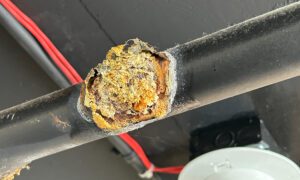
Some materials fail predictably and early. Take polybutylene pipe, installed widely between 1978 and 1996, which is prone to stress fractures and sudden failure—often without visible warning signs. Also, copper pipe is corroding faster than it used to in many markets due to changes in water treatment chemistry—including chlorine-based disinfectants added by utilities.
The material is only part of the picture. How the system was designed and installed matters too. For example, if your drain, waste and vent (DWV) system uses a single-stack configuration like Sovent® technology it changes how the system behaves and how it fails. Certain PEX systems fitted with high-zinc yellow brass connections are vulnerable to dezincification and leaks. And in newer properties especially, materials often get value-engineered during construction, so what was specified on the drawings isn’t always what ended up in the walls.
A basic piping infrastructure evaluation covering material, design, installation, and current condition—is where good planning starts.
What to do: Pull your building’s original construction records if you have them. If you don’t, contact a plumbing and mechanical infrastructure expert who can walk your building and fill the gaps. At minimum, confirm your pipe material and approximate age before your next capital planning cycle or reserves study. Be sure you start reserving to replace plumbing systems once they reach the end of their useful life—often 30 years after installation and up to 50 years after installation for a DWV system.
Question 2: Are we treating leaks as maintenance items or as signals? (Hint: do both!)
Patching leaks one at a time can feel like disciplined cost control. In practice—especially in older buildings—it’s often the opposite. Each repair is small enough to approve without much thought, the budget creeps up a line at a time, and staff time gets absorbed by problems that never escalate into a real conversation about the system underneath.
The communities that manage aging infrastructure well are the ones that track leak history and look for patterns. One leak in a year is probably maintenance. Three in the same system over twelve months is a pattern. Six means the system is telling you something.
There’s also a structural problem with the patch-and-wait approach: every repair creates a new connection point between old pipe and new material—a junction that’s often more vulnerable than either piece alone. In the meantime, the underlying aging process doesn’t pause while you’re managing symptoms.
What to do: Keep a log of every service call with date, location, and nature of the repair. Review it annually. Increasing frequency or patterns clustering in specific systems is your planning trigger. Download the SageWater Leak Log for a ready-made incident tracker that your maintenance team can start using right away.
Question 3: How does the cost of full system replacement compare with the cost of waiting?
Most communities that have obtained a pipe replacement estimate look at the price tag and ask: can we afford this? The more useful question is what continued deferral is actually costing, and what it will cost if a major failure forces an emergency response.
The costs of waiting add up fast: service calls, water damage repairs, insurance claims and higher premiums, resident disruption, and staff time spent managing a steady stream of crises instead of running the property. These costs tend to grow year over year as a piping system ages.
Waiting impacts potential pipe replacement project expenses, too. Material and labor costs keep moving, nearly always higher. Experienced specialty contractors book out months in advance—and in competitive markets, well over a year in advance. Communities that plan ahead have far more leverage over both cost and scheduling than those reacting to a crisis.
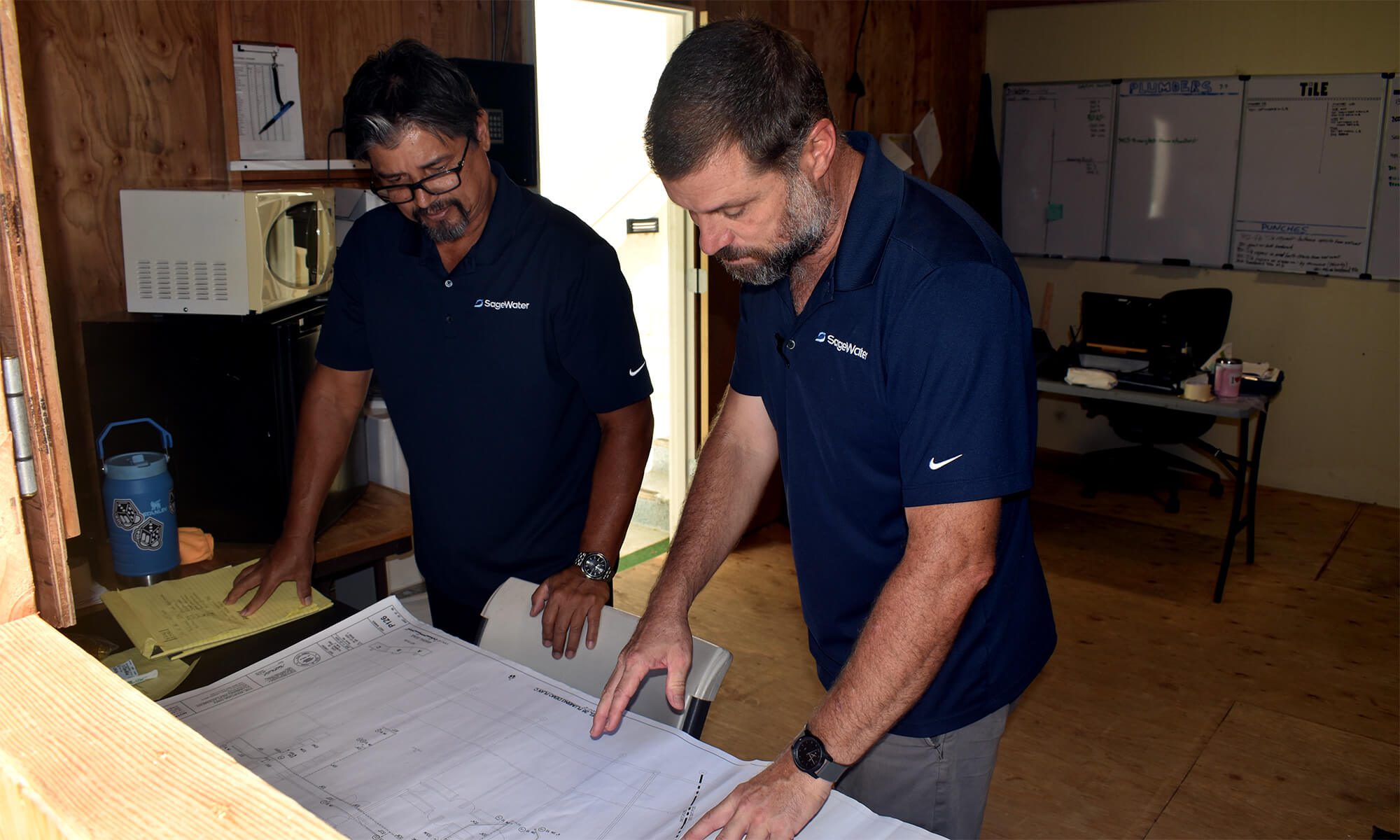
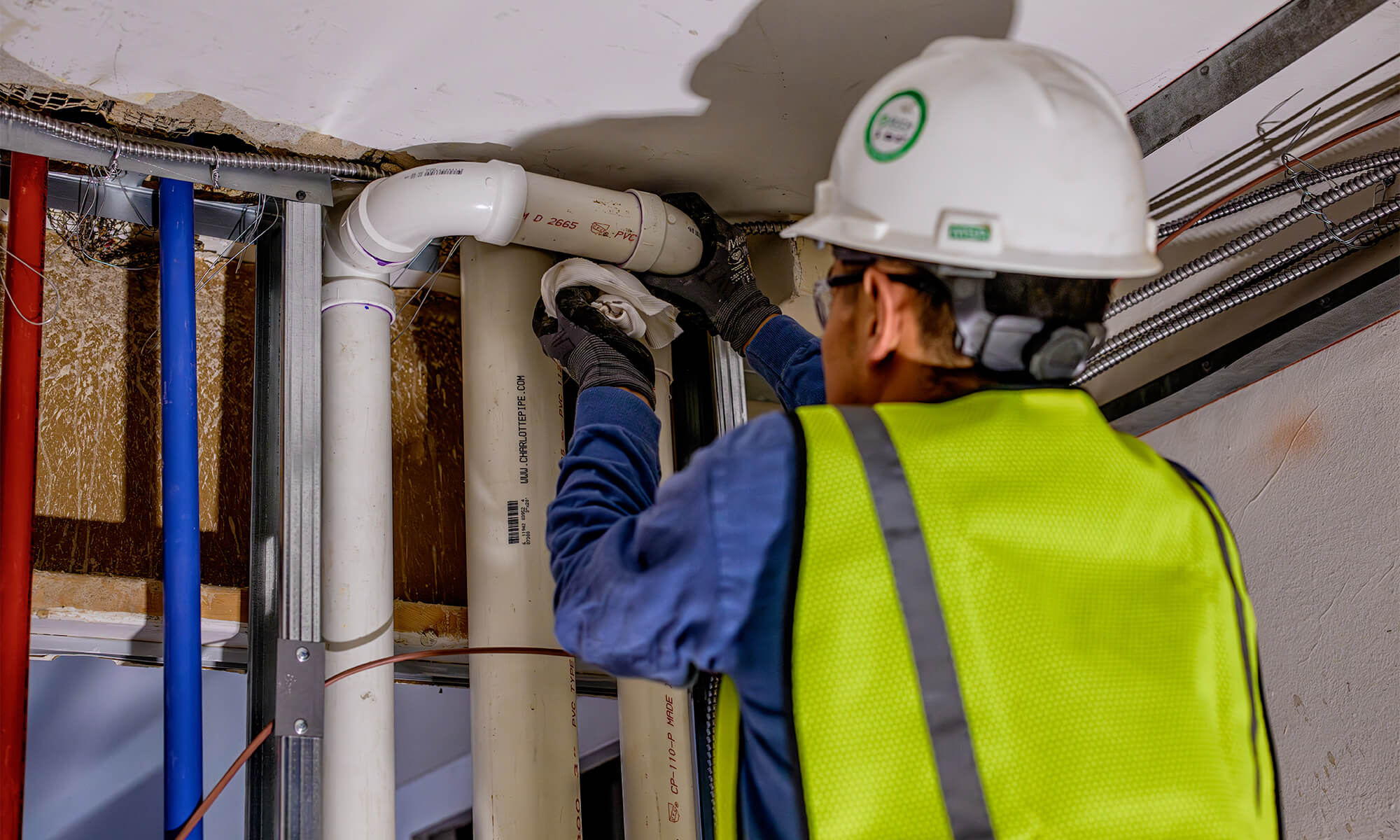
What to do: Ask a plumbing and mechanical infrastructure expert to help you think through how to model the cost-benefit scenario for your property, comparing projected repair costs against a planned replacement, including timing and financing options. Most reputable contractors will do this as part of an initial consultation. And remember, most plumbers only plumb. Pipe replacement is a multi-trade engineering and construction project that you’ll want to perform while residents remain in their homes, so look for repipe experts.
Question 4: Is pipe lining a viable alternative to pipe replacement?
When communities are facing the prospect of a large-scale pipe replacement, a solution that promises to solve the problem with less disruption and lower cost is understandably appealing. Epoxy pipe lining—marketed as a way to create a “pipe within a pipe”—is the most common example.
The reality is more complicated. In fact, we’ve worked with communities that have pursued pipe lining and ended up needing a full replacement anyway, spending time and money twice. That’s because lining only coats the old pipe’s interior rather than replacing it, so the underlying problem keeps progressing.
There are legitimate applications of epoxy lining, but we’ve seen too many communities pick it based on the sales pitch instead of comparing it against a full repipe, and both merit careful consideration.
What to do: Before committing to any approach, compare all options. Get input from experts who can help you weigh the pros, cons, and tradeoffs.
Question 5: Are we giving ourselves enough time to plan well?
This is the question that most often gets asked last, when it should be asked first.
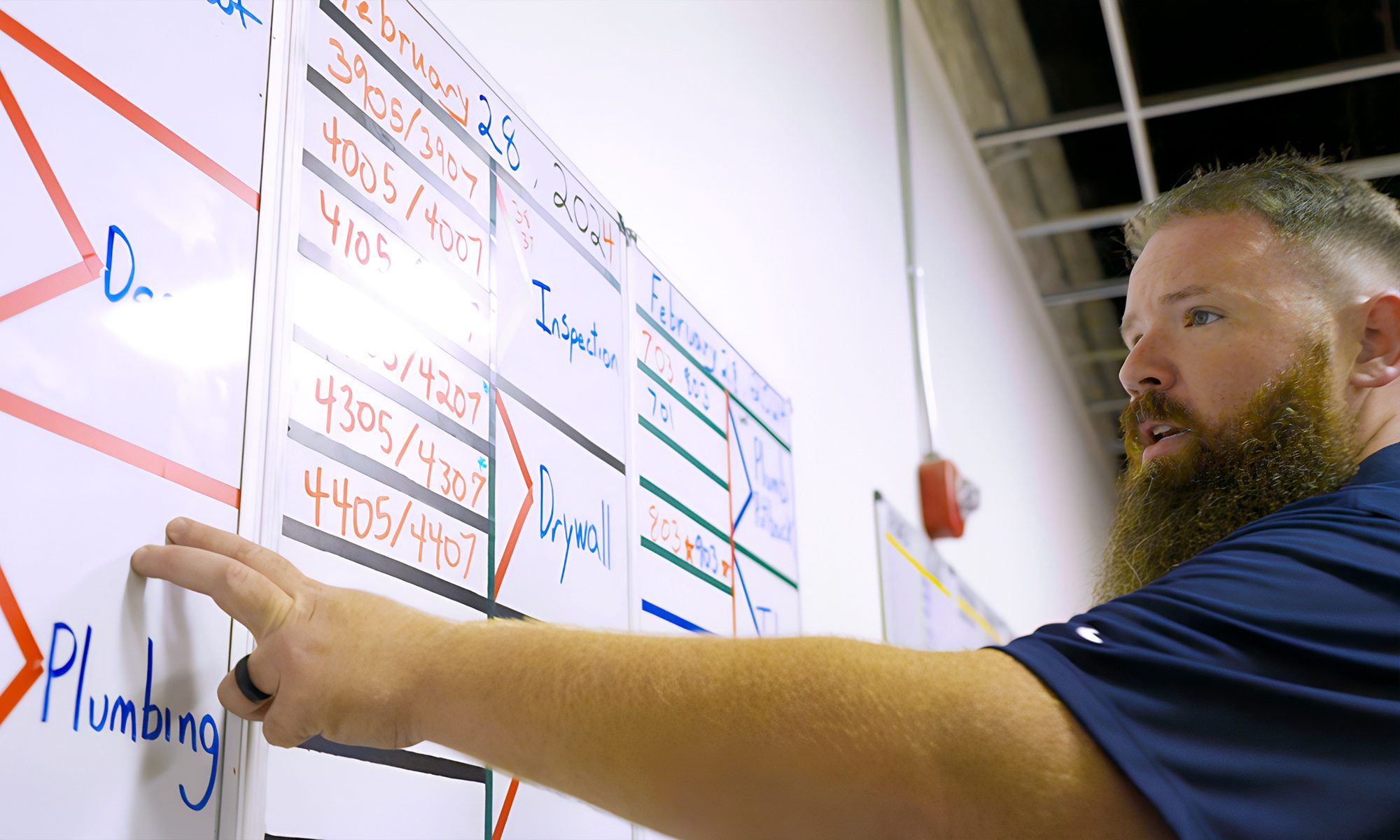
A pipe replacement project of any meaningful scale doesn’t move from decision to start in a matter of weeks. Diagnosing the problem, designing the right solution, selecting a contractor, notifying residents, and coordinating unit access takes months. From the moment a community decides to move forward, it can often take a year or more before work begins.
That runway works in your favor when you start it deliberately. It works against you when a system failure starts it for you.
What to do: If you’re seeing any of the signals in questions 1 through 4 above—i.e., older plumbing or mechanical infrastructure, increasing leak frequency, rising repair costs no one has added up, or unexamined alternatives—treat that as your cue to start the planning conversation now, not later.
The bottom line
Plumbing and mechanical leaks are common in multifamily management. But when operating older communities, it helps to stay curious about what your building is telling you so that you can be strategic in protecting your investment value before you’re forced into it.
If you’re not sure where to start, we’re glad to help. A free consultation with our team can give you a clearer picture of what you’re working with, what your options are, and what timeline makes sense for your community. Reach out to start the conversation.