





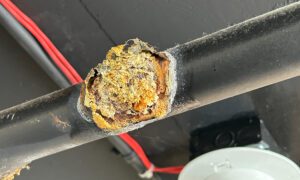





Major plumbing and mechanical projects are expensive. When leaks, HVAC issues, resident complaints, or rising insurance costs point to a bigger system problem, it’s only natural to look for ways to spread out the cost of replacement. It’s why many of our clients inquire about deferring upfront costs by performing their projects in multi-year phases.
Phasing can make sense. Apartment owners/operators, for example, may need to work with the capital they can allocate to a project each budget year. It may also make sense for condominium resort communities that want to avoid construction during busy ski, beach, or other peak seasons.
How can you know if phasing makes sense for your community? Start by partnering with contractors who take a consultative approach to evaluating your project with you.
Does phasing make sense?
Not every contractor will help you think through whether phasing is actually the right approach. If you ask one to put together a proposal that delivers your project in phases, they may gladly do so. What they may not tell you—and what they may not have the experience to know—is that phasing is risky and, according to our experience, can increase your project costs by up to 50%.
Look for contractors who are experts in replacing plumbing and mechanical systems and who take time to help you evaluate delivering your project in a way that aligns with your goals and fits your budget.
In our experience consulting with clients, many come to the same conclusion: once you fully account for the hard costs and strain on the community, it’s often more beneficial to complete your project all at once.
Here are key factors to consider:
Increased mobilization and de-mobilization costs
Mobilization covers all the activity that has to happen before a contractor can truly begin work in your community. Crews don’t simply show up on day one and start replacing pipe. Before “turning wrenches,” your contractor must:
- Work with management to notify residents and prepare them for what’s to come.
- Coordinate and schedule permits and inspections
- Inventory, organize, and store tools and materials onsite.
- Verify existing conditions and finalize project and unit schedules.
- Identify and set up staging areas.
- Order and place dumpsters.
- And more
A similar set of activities happens at the end of the project during de-mobilization. Crews haul away materials and dumpsters, pack up and clear out tool and material storage, disassemble staging areas, and complete final cleanup as they exit your community.
Most contractors build mobilization and de-mobilization into their pricing. As a result, if you phase your project, you may not realize that you’re paying for the setup and breakdown multiple times, once for each phase, which drives up costs.
Inflation
Inflation affects both construction labor and material. In recent years, labor and pipe, water heaters, fittings, and other materials have increased by 5–30% per year. If you spread a plumbing or mechanical infrastructure project over several years, those increases add up quickly.
Completing the work all at once lets you lock in today’s labor and material costs. That can create meaningful savings since contractors rarely hold pricing for multiple years on a phased project. More often, they price each phase when it’s ready to begin to account for inflation, or put in an escalation clause to hedge their risk, which drives up cost for future phases.
Ongoing risk of leaks and damage
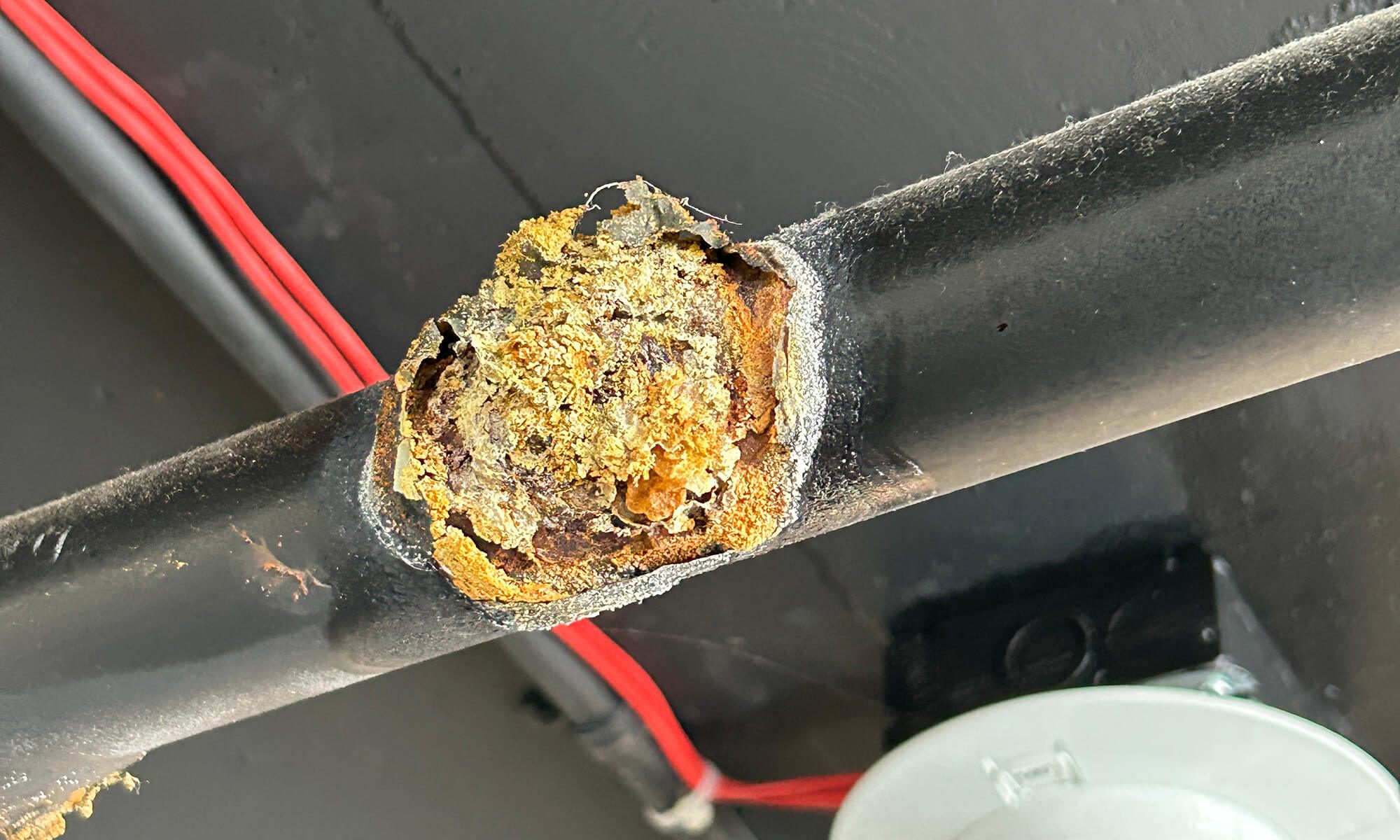
When you’re already dealing with leaks, water damage, and other consequences of an aging plumbing or mechanical system, the problems rarely stay confined to one small area. Failures often happen randomly and without warning across the community. When you phase a project over many years, you leave parts of the community that have not yet been addressed exposed to ongoing risk.
As a result, you will continue to pay higher-than-normal repair costs and your insurance premiums may go up due to increased claims. Apartment owners may lose rent, and condo homeowner values may suffer. These and other related costs can offset much of the perceived savings from phasing.
Resident implications
The financial risks of phasing are only part of the picture. Emotion and politics across the community can be just as challenging. Once a project is phased, residents naturally want to know why they must wait while others benefit right away. Explaining those decisions, managing expectations, and responding to frustrated residents can create a major burden for apartment owners/managers, condominium boards, and onsite teams. Completing the project in a single mobilization often avoids much of that strain.
Whether you phase or not, choose a consultative partner
As a good financial steward for your community, it makes sense to inquire about phasing a project to replace a failing plumbing or mechanical system over multiple years. Spreading out the cost may help you better absorb the financial impact. Before you decide, find a contractor who has the subject matter expertise to guide a structured conversation that fleshes out the hard and soft costs.
Once your contractor helps you factor in repeated mobilization, inflation, and continued damage in untreated areas, you’ll often realize that phasing can cost significantly more than completing the project all at once. Only then can you decide whether your community’s unique circumstances support phasing.
Want to talk through your property’s situation and learn more about your options? Set up a free consultation.