









Three piping materials (Copper, PEX, and CPVC) have emerged as the industry standard for sprinkler system piping systems.
Which is the best choice for your community depends on your budget and system requirements.



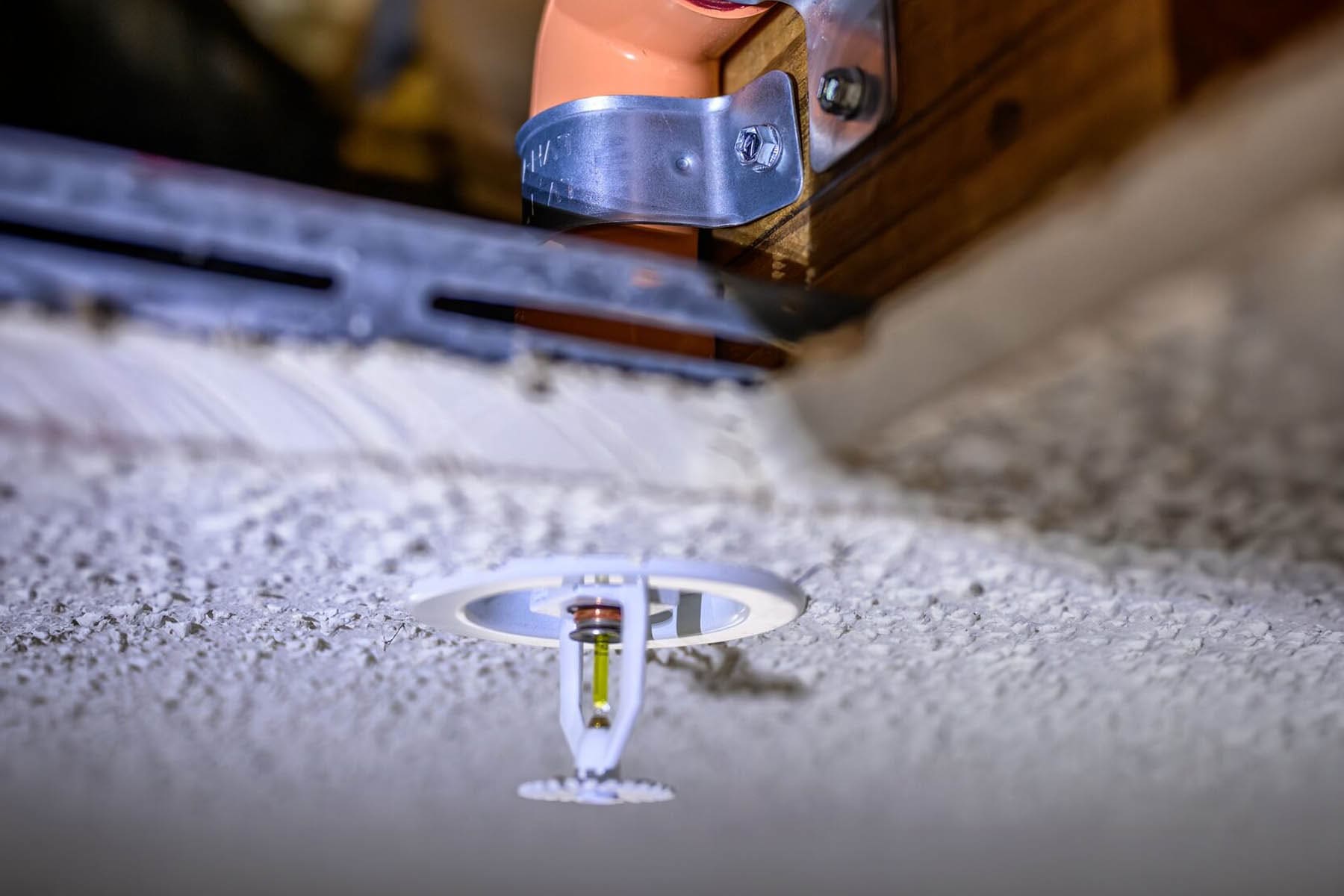
Which is the best choice for your community depends on your budget and system requirements.
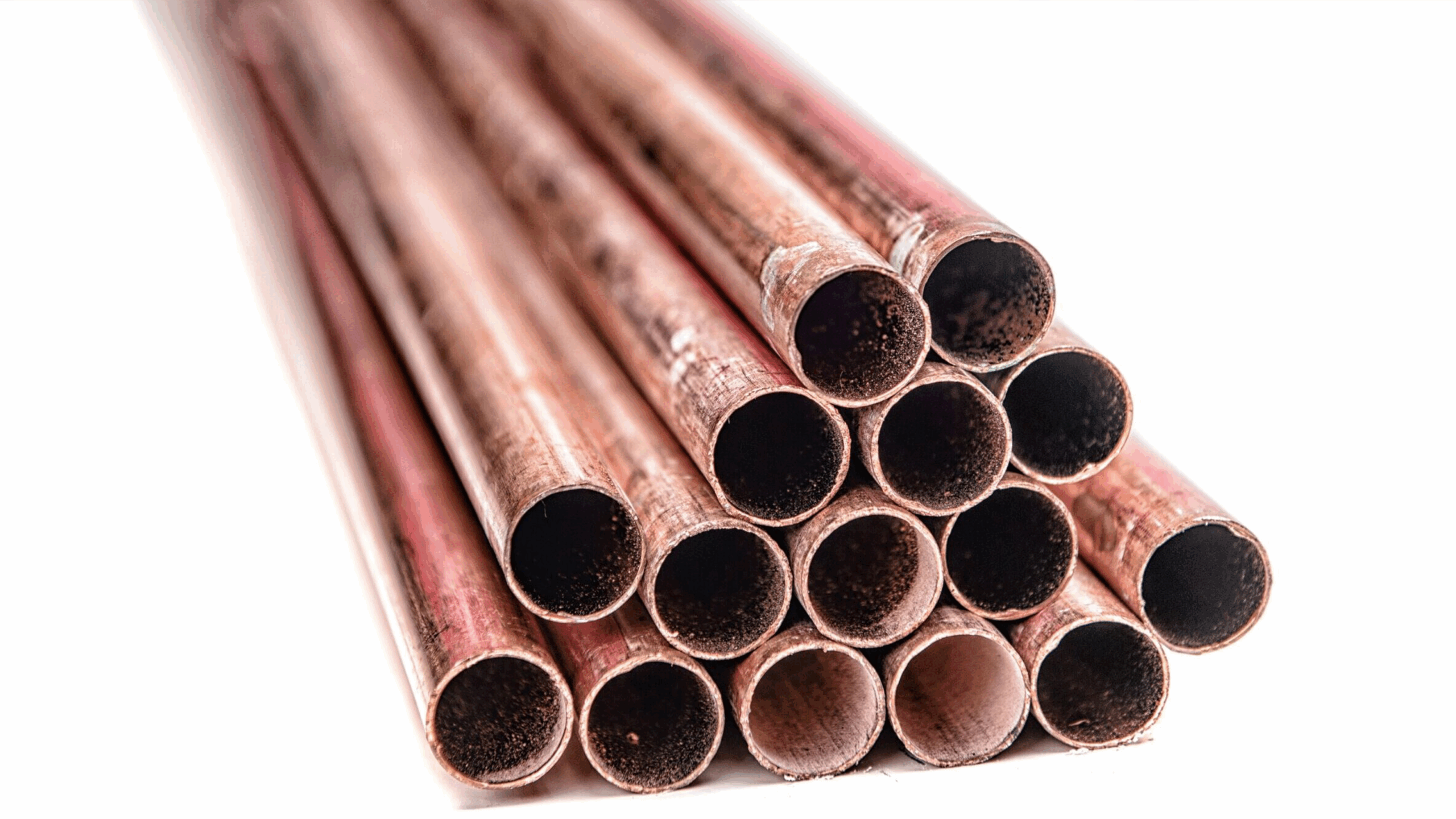
Copper has long been the stalwart of the plumbing industry.
Known for its durability, hygienic properties, and ease of use, it has been the standard bearer for decades.
Type matters. Copper prices have been rising drastically in recent years making copper piping a premium option for some communities. Even so, knowing which type of copper is specified for your new domestic water system is critical to ensuring its long-term success.
Here’s why. Different grades of copper pipe, known in the industry as Type K, Type L, and Type M, represent different pipe wall thicknesses for different applications. So, if your property is located in geographies with hard water, you may want to avoid Type M. While it’s code compliant in many locations, it has the thinnest pipe wall of the three and often fails prematurely because the thinner material can’t stand up to the corrosive properties of the water chemistry.
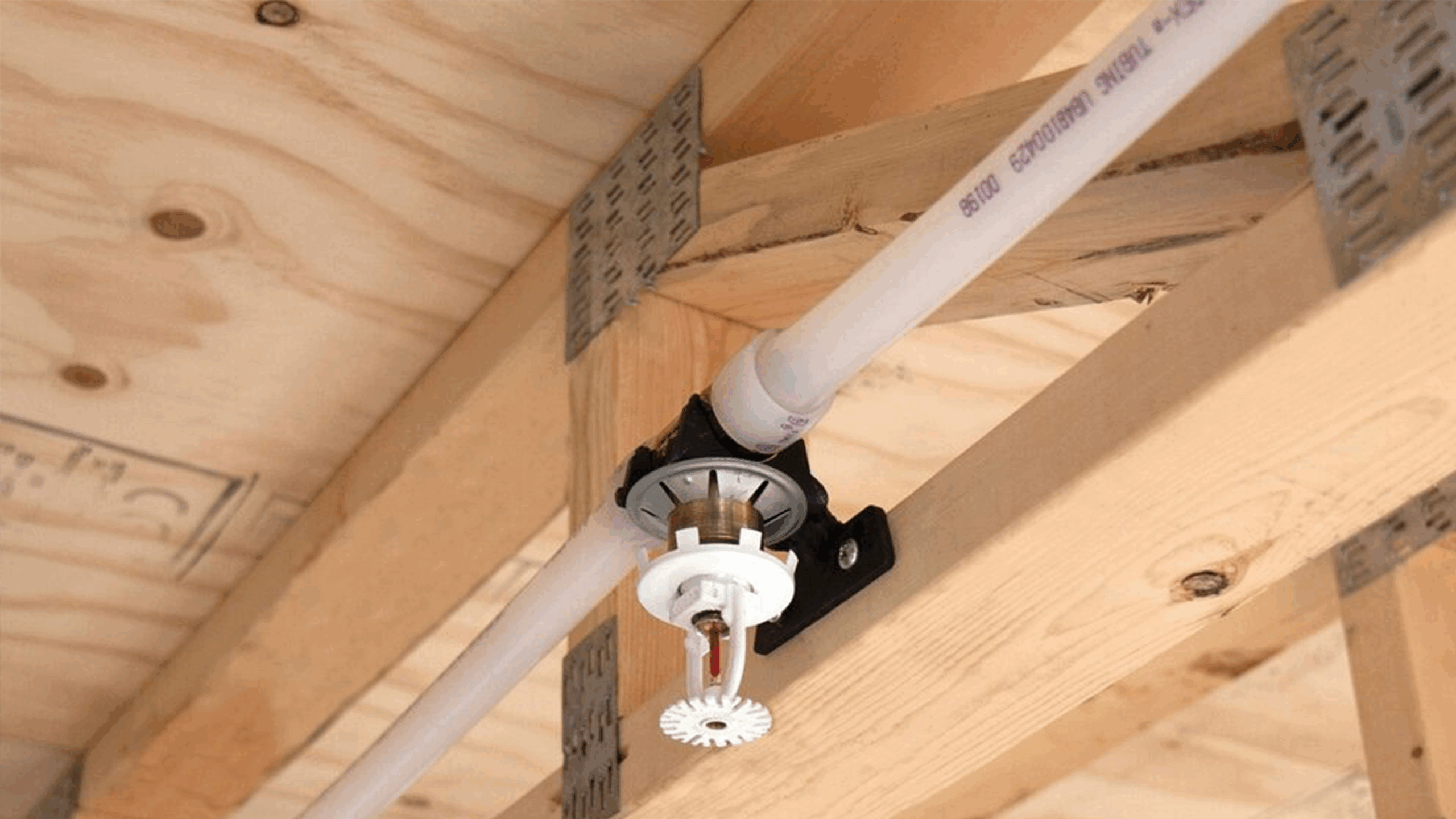
Cross-linked polyethylene, commonly known as PEX tubing, is a flexible plastic pipe that can be rapidly installed and is often sold at a lower price point than copper. When paired with lead-free and engineered polymer fittings, PEX has proven to be the most reliable alternative to copper so long as it is installed and maintained correctly.
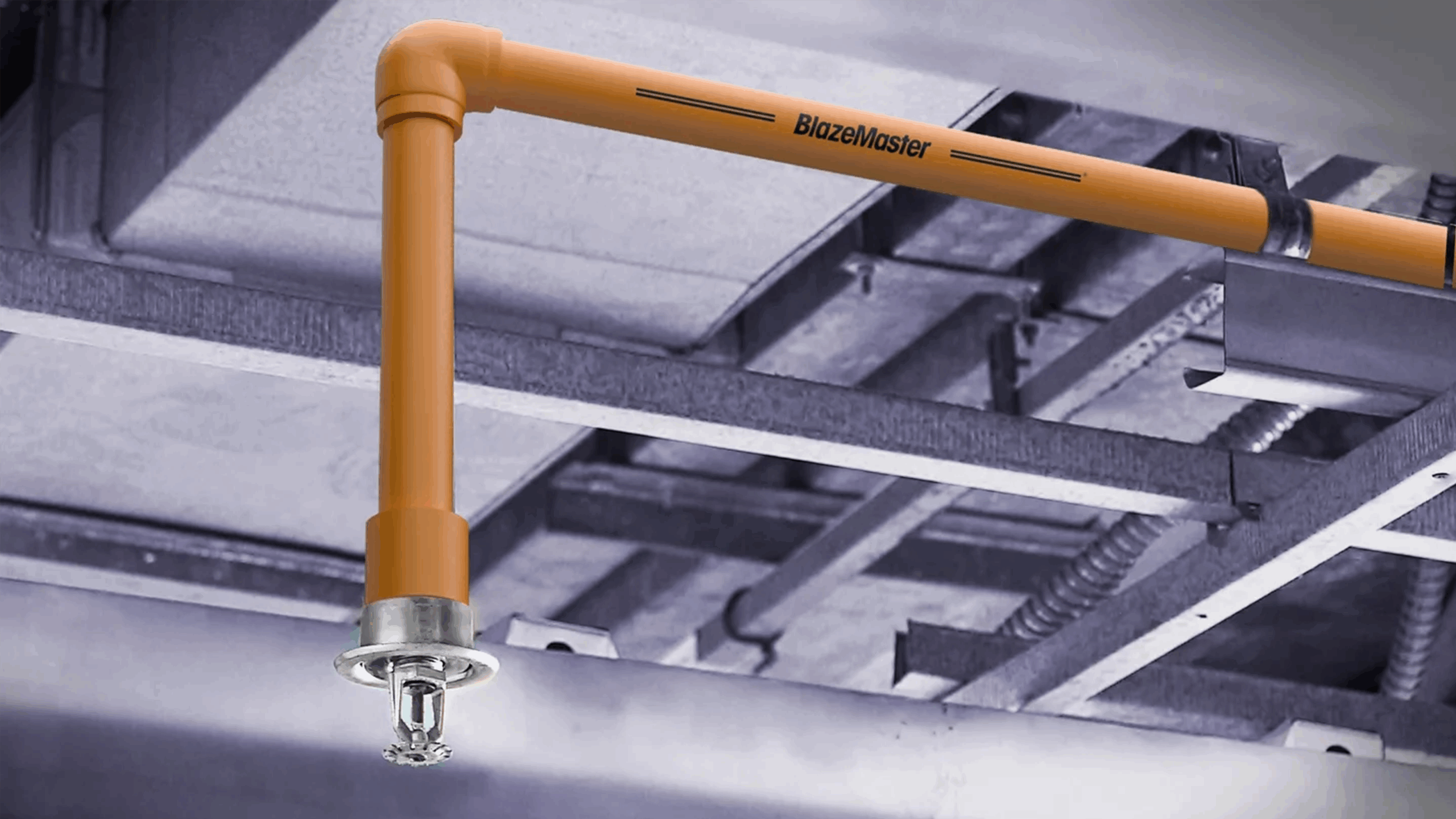
Its ease of installation paired with wide availability of pipe sizes and fitting options make it a strong economical choice. Likewise, being UL-listed and fire-resistant make CPVC a reliable and widely used option in modern sprinkler systems.